Skip to content
DataNexx

Data category

Non-Destructive Testing & Inspection

Ultrasonic, radiographic and visual inspection data paired with certified inspectors' defect calls.

NDT data is the record of a non-destructive inspection: the signal or image, the method and the certified inspector's defect call. AI developers license this inspection data to train and test models that find defects. DataNexx helps inspection companies find out which records can be licensed, and arranges the licence. There is no fee to the data owner.

Why it matters for AI

Recorded, judged, resolved.

Inspection records pair raw signals and images with a qualified inspector's judgment and, often, a verified result after repair. Labeled, multimodal data like this is expensive to create — and inspection companies have been producing it for years.

Typical data

  • Ultrasonic testing
  • Radiography
  • Eddy current
  • Visual & dye-penetrant inspection
  • Weld inspection
  • Defect classifications
  • Repair & re-inspection records

Representative workflow

Illustrative

  1. 01Component or weld
  2. 02Inspection method
  3. 03Signal or image
  4. 04Inspector's defect call
  5. 05Repair
  6. 06Re-inspection
  7. 07Accepted or rejected

Who typically holds it

  • NDT and inspection service companies
  • Fabricators and weld shops
  • Aerospace and energy maintenance providers
  • Asset-integrity and certification firms

Potential AI applications

  • Defect detection (computer vision)
  • Signal interpretation models
  • Inspection assistants
  • Multimodal evaluation sets

What NDT data do inspection companies hold, and where does it live?

Inspection firms store scans, radiographs and photos in instrument software and on project drives. Reports often sit in inspection management software or a document system. Repair and re-inspection results may live with the asset owner's maintenance system (CMMS).

The most useful records link the raw signal to the inspector's call and the final outcome. A flaw call is worth more when a repair or a second inspection confirmed it.

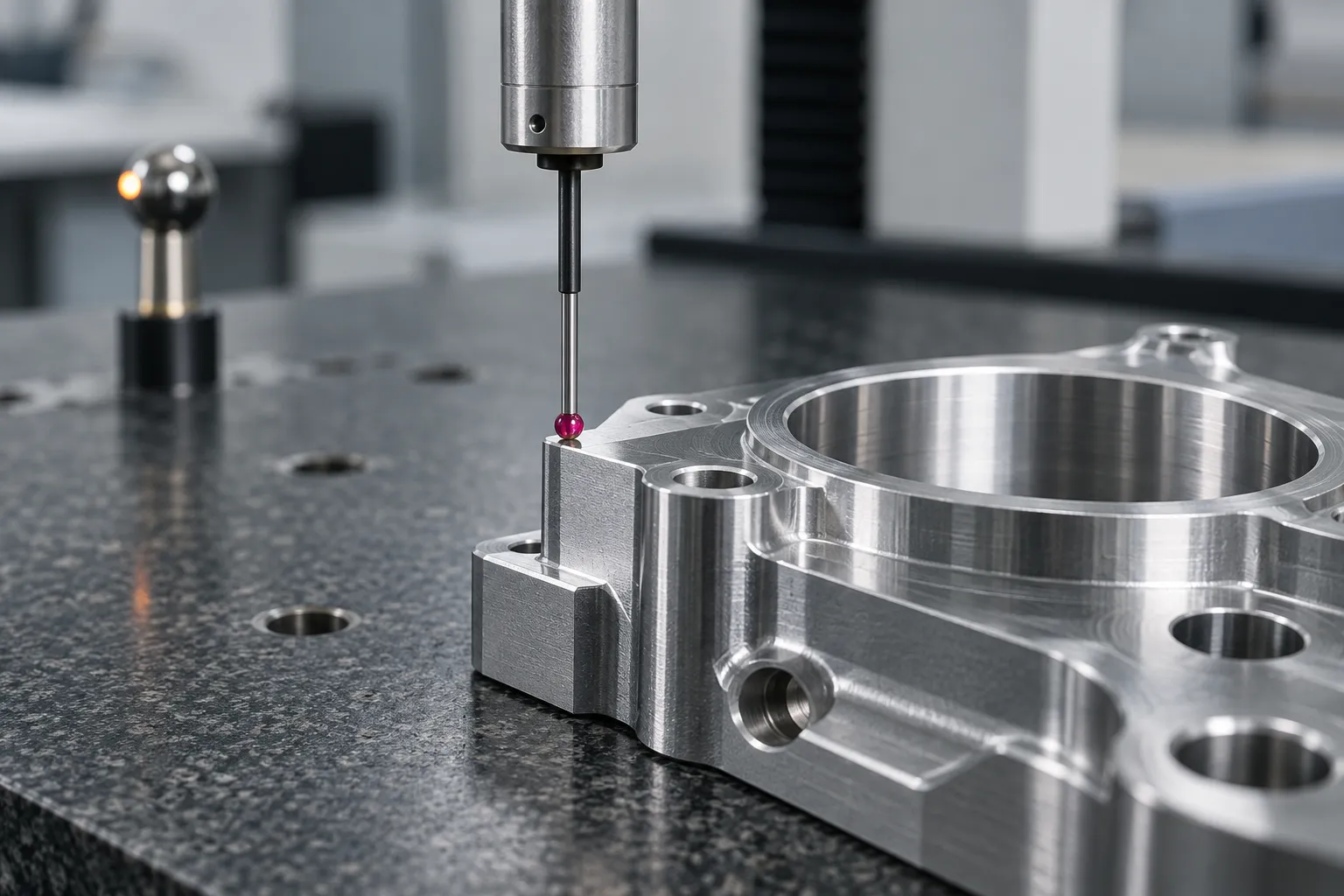
  • Ultrasonic A-scans, C-scans and phased-array data
  • Digital and film radiographs
  • Eddy current, magnetic particle and dye-penetrant results
  • Visual inspection photos and drone images
  • Defect calls, repair records and re-inspection results
What can AI teams build with inspection data?

Defect detection models need labelled examples from real parts. NDT records supply the image or signal and a qualified person's judgment of it.

Rare defects and borderline calls are the hardest cases. Long inspection histories contain them, and they make strong evaluation sets.

  • Computer vision for weld and corrosion defects
  • Signal interpretation for ultrasonic and eddy current data
  • Inspection assistants that pre-screen scans for review
  • Multimodal evaluation sets with verified outcomes

Who owns inspection data: the inspector or the asset owner?

It depends on the contract. Many inspection results belong to the client who owns the pipeline, plant or aircraft. Some contracts let the inspection firm reuse anonymised data; others do not.

Asset names, locations and drawings are removed before licensing. Some assets are sensitive for safety or security reasons and are left out. This is not legal advice; your counsel decides what is allowed.

How do you describe your NDT data for a first assessment?

You do not need to send any data. Start with a short description: the methods, the asset types, the years covered and the software that holds the files.

Say whether raw scans were kept or only reports. Note how often a repair or re-inspection confirmed the call. The assessment walks you through it, and we reply within 24 hours.

Example record (illustrative)

One weld inspection record as an NDT firm might export it. Field names and contents are illustrative.
FieldWhat it holds
Inspection IDAn internal code, replaced with a new random ID before licensing
ComponentA general type, such as a pipe girth weld or pressure vessel nozzle
Material and thicknessFor example carbon steel, 12 mm wall
Method and settingsThe NDT method, probe or source, and key settings
Raw dataThe scan, radiograph or photo file
Defect callType, size and location of any flaw, with the inspector's certification level
DispositionAccepted, repaired or rejected against the code
Re-inspectionThe result after repair, where one was done

Frequently asked questions

What is NDT data?

NDT data is the output of non-destructive testing: scans, radiographs, photos and readings, plus the inspector's interpretation. For AI, the most useful records pair the raw data with a confirmed result.

Can we license data if our clients own the results?

Only with the right permission. Some contracts allow anonymised reuse; others need the client's agreement. Mapping this is an early step of the assessment.

Are reports alone useful, without raw scans?

They can be, for text and reasoning models. Raw scans and images are usually more valuable, because vision and signal models learn from them directly.

Do we have to send samples of our data?

Not for the first step. The assessment uses descriptions only. Samples are shared later, under a confidentiality agreement, and only if a licence looks realistic.

Who pays for the assessment?

There is no fee to the data owner. Compensation comes from the licence, when an AI company licenses the data.

Trust & compliance

Data licensing without losing control.

Your data stays yours until you decide otherwise. We assess before anything is shared, and we treat rights and privacy as conditions of a transaction — not afterthoughts.

No raw data for an initial evaluation

Nothing moves without authorization

Ownership is not the same as licensing rights

Specialist review where it is needed

Scoped records, never bulk exports

How we handle rights, privacy and confidentiality

Own valuable data?

Check your data's licensing potential.

A confidential, no-raw-data assessment of your company's records — from lab results and production logs to cases, claims and transactions.

Building AI?

You specify it. We source it.

Tell us the proprietary data your model needs — domain, structure, formats and rights. We approach the organizations that produce it.