For AI companies
Source proprietary ground-truth data from the physical world.
Real measurements. Expert decisions. Verified outcomes. We source datasets to your specification from organizations that produce them — and document provenance and rights along the way.
- Frontier AI labs
- AI research teams
- Robotics companies
- Industrial AI companies
- Scientific AI startups
- Vertical AI companies
- Model developers
- Agent developers
- 01 →The physical worldSamples, materials, machines, batches
- 02 →MeasurementsInstruments, sensors, test rigs
- 03 →Expert decisionsTechnicians, engineers, operators
- 04 →Verified outcomesPass / fail, failure mode, result
- 05 →Structured dataDocumented, de-identified, licensed
- 06 AITraining, evaluation, RL, agents
Access data the internet doesn't have
Find the industrial data your model is missing.
Public corpora describe the physical world. Proprietary measured data records it — with the expert decisions and verified results that make it useful for training, evaluation and RL.
Public web data
Strong at
Broad language and general knowledge
Limitation
Rarely contains instrument readings linked to verified outcomes
Synthetic data
Strong at
Scale, coverage and controllable edge cases
Limitation
Only as faithful as the simulator or model that produced it
Proprietary measured data
Strong at
Ground truth from real processes, expert decisions and results
Challenge
Scattered across organizations that never prepared it for AI
What we optimize for
Real measurements. Expert decisions. Verified outcomes.
The criteria we use when qualifying a dataset are the ones your data and policy teams will ask about.
- Unique datasets
- Data generated inside organizations, not already in public corpora.
- Provenance
- Who generated it, how, when, and under what conditions.
- Licensing rights
- Scope and permitted uses set out contractually with the data owner.
- Verified outcomes
- Ground truth determined by physical tests or qualified people.
- Expert-generated
- Decisions and interpretations made by practitioners in the course of real work.
- Longitudinal history
- Years of records that include rare events and edge cases.
- Scale & multimodality
- Structured records alongside images, documents and signals.
- Exclusivity options
- Exclusive or field-of-use terms where the data owner agrees.
Sourcing to specification
You tell us what your model needs. We find organizations that produce it.
We source highly specific datasets rather than only selling a fixed catalog.
- Industry
- Materials testing
- Desired records
- 100,000+ laboratory tests
- Desired structure
- Inputs + measurements + verified outcomes
- Modalities
- Structured data, images, documents, signals, video, audio
- Geography
- Any, or specific regions
- Time period
- 2015 – present
- Exclusivity
- Non-exclusive acceptable
- Rights requirements
- Commercial training rights, documented provenance
- Intended use
- Training, evaluation, RL, benchmarking, research
- 01
Specify
Tell us what your model needs: domain, structure, modalities, scale, time period, rights and intended use.
- 02
Source
We search our supplier network and approach organizations that produce matching data — rather than only offering a fixed catalog.
- 03
Qualify
Candidate datasets are assessed for structure, quality and rights. You review anonymized descriptions and documentation before anything moves.
- 04
License
Terms, scope and permitted uses are set out contractually. Delivery follows only with the data owner's authorization.
Documentation
Provenance you can show your policy team.
Depending on the dataset and the data owner's terms, a licensed dataset can come with:
Dataset card
Purpose, composition, collection process, known limitations.
Schema & field documentation
Units, methods, value ranges and relationships between tables.
Provenance record
Source organization type, systems of record, time span and processing steps.
De-identification notes
What was removed or transformed, and why.
License scope
Permitted uses, duration, exclusivity and any field-of-use limits.
Domains
Where we source.
Categories of proprietary data held by laboratories and industrial organizations worldwide.
 01
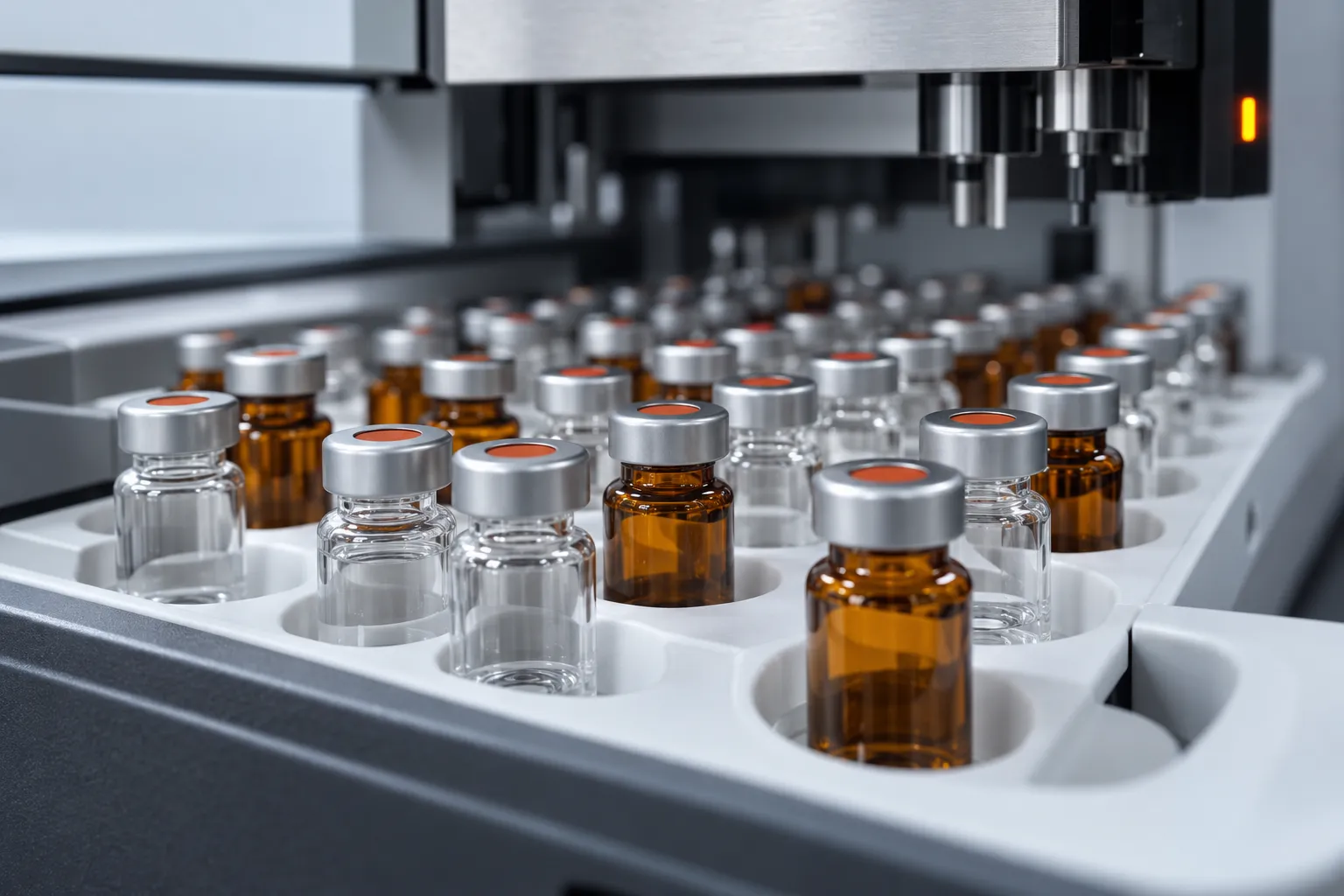
01Laboratory & Testing Data
Analytical results, assay outcomes and certification records from commercial and accredited laboratories.
- Analytical chemistry
- Microbiology
- Chromatography
- Spectroscopy
- Chemical testing
 02
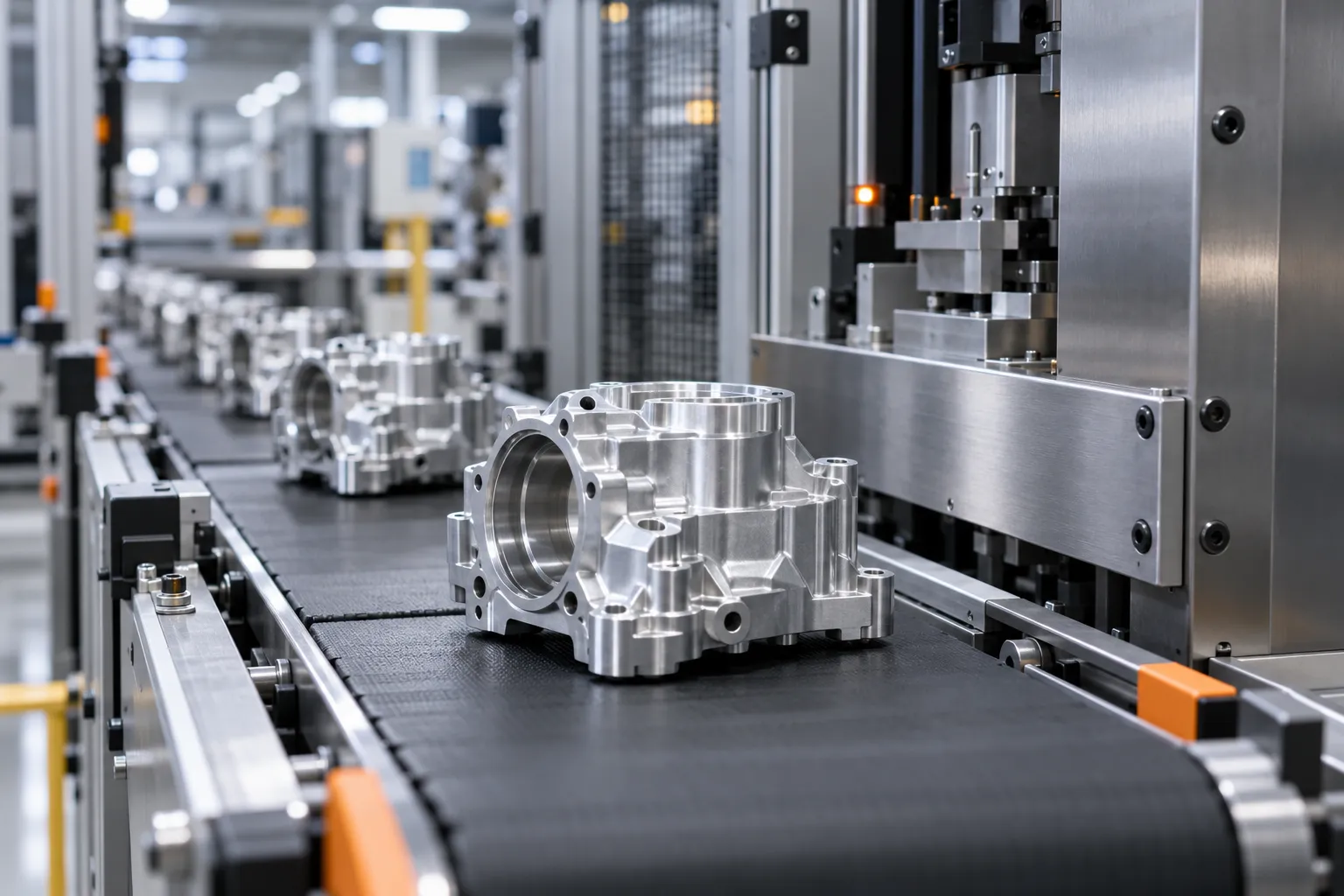
02Manufacturing & Production
Process parameters, machine settings and batch outcomes linked to what actually came off the line.
- Production parameters
- Machine settings
- Process conditions
 03
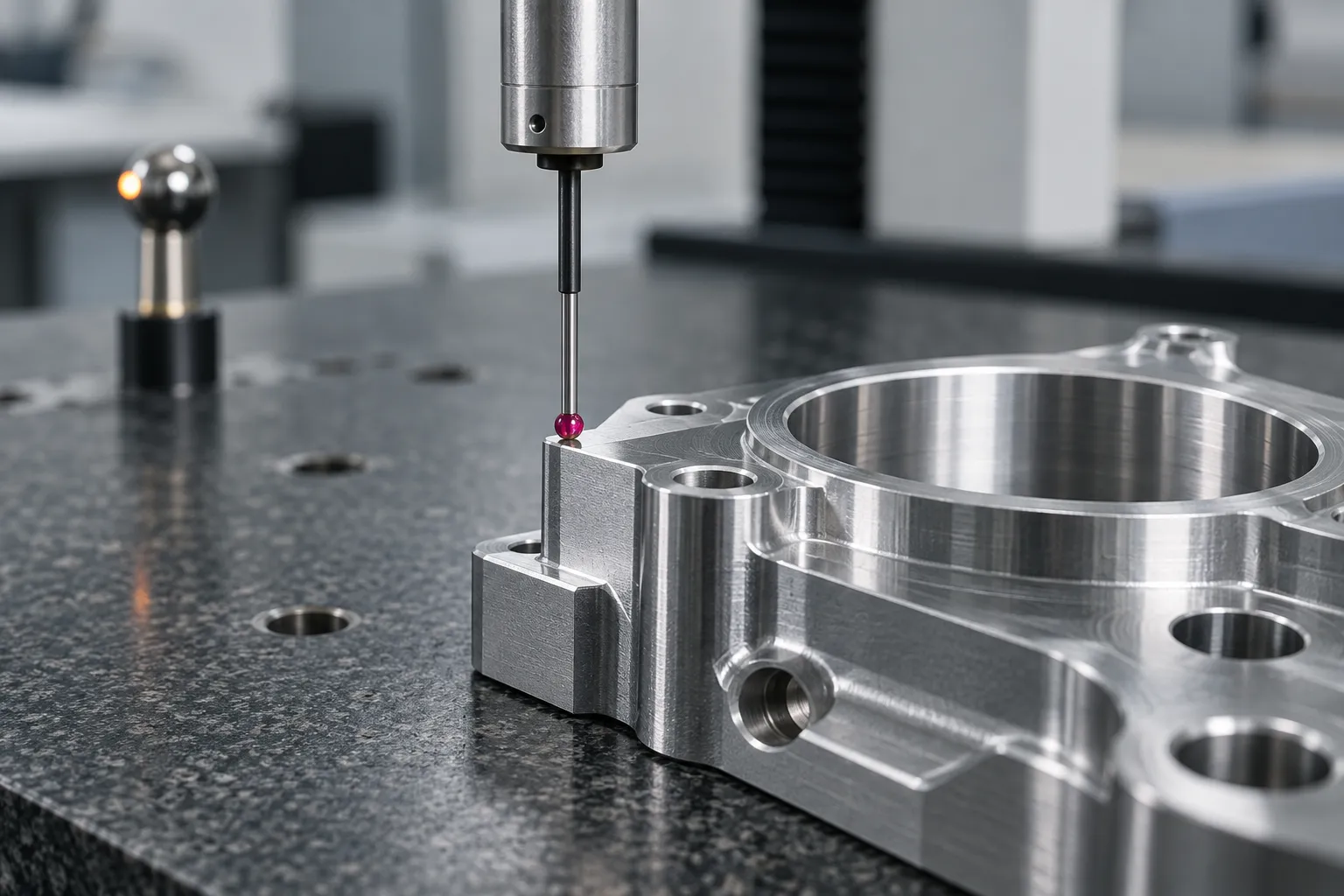
03Quality Control & QA
Inspections, dispositions and root-cause analyses — the record of expert judgment on real product.
- Inspections
- Pass / fail determinations
- Quality measurements
 04
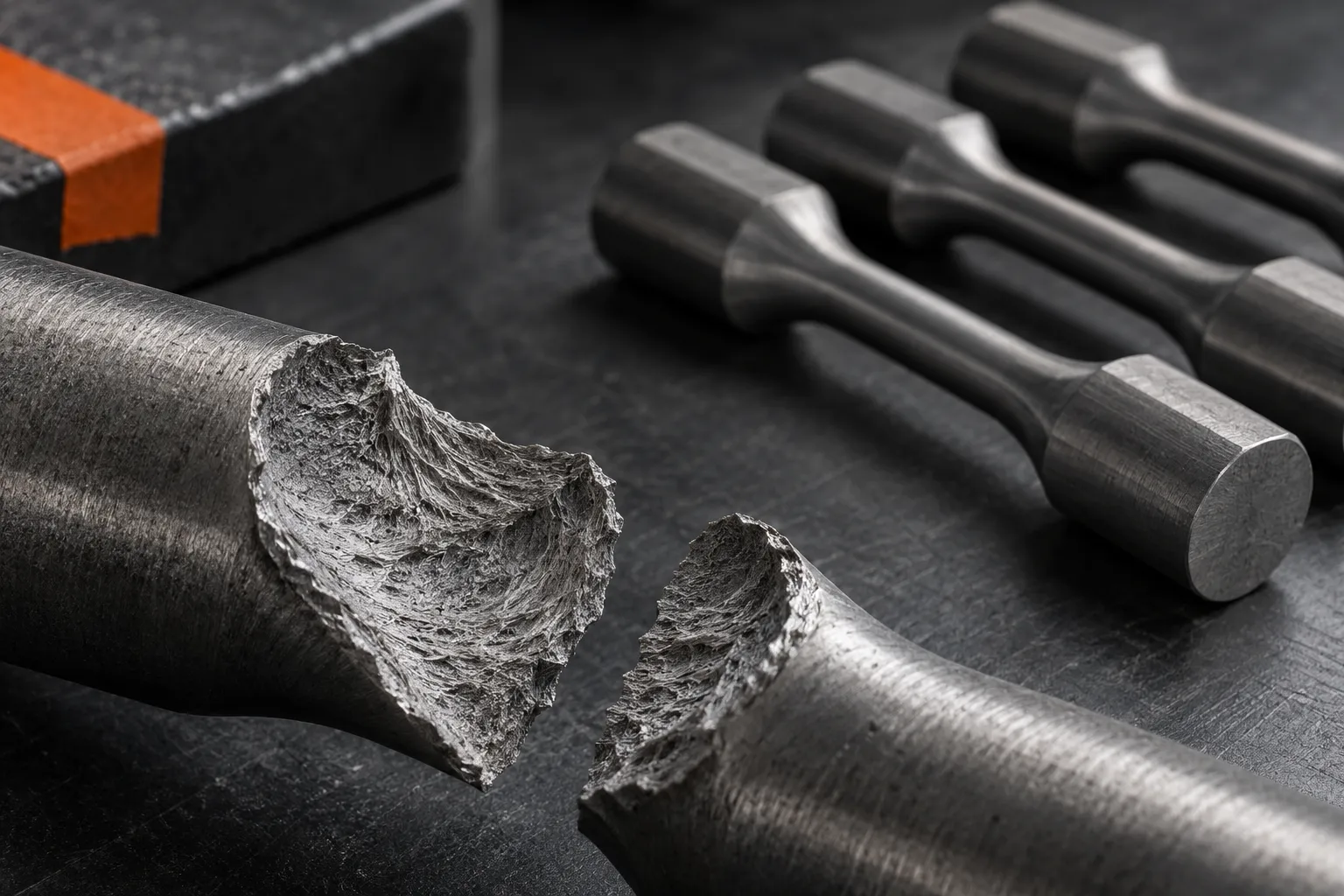
04Materials & Engineering
Mechanical, thermal and fatigue testing tied to composition and observed failure modes.
- Tensile testing
- Compression testing
- Fatigue testing
 05
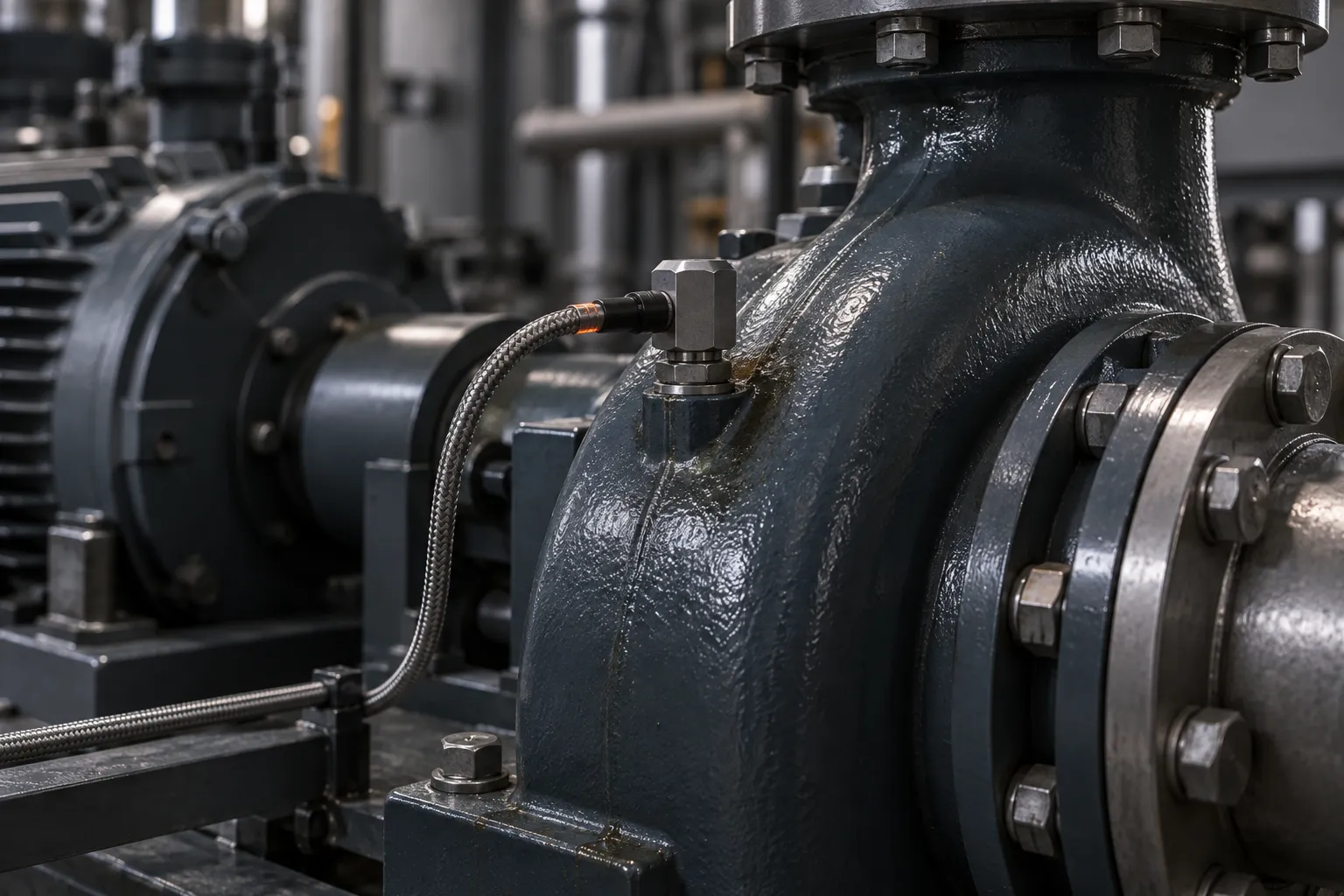
05Sensors & Industrial Systems
Telemetry and operating states paired with the anomalies and maintenance events that followed.
- Machine telemetry
- Temperature
- Vibration
 06
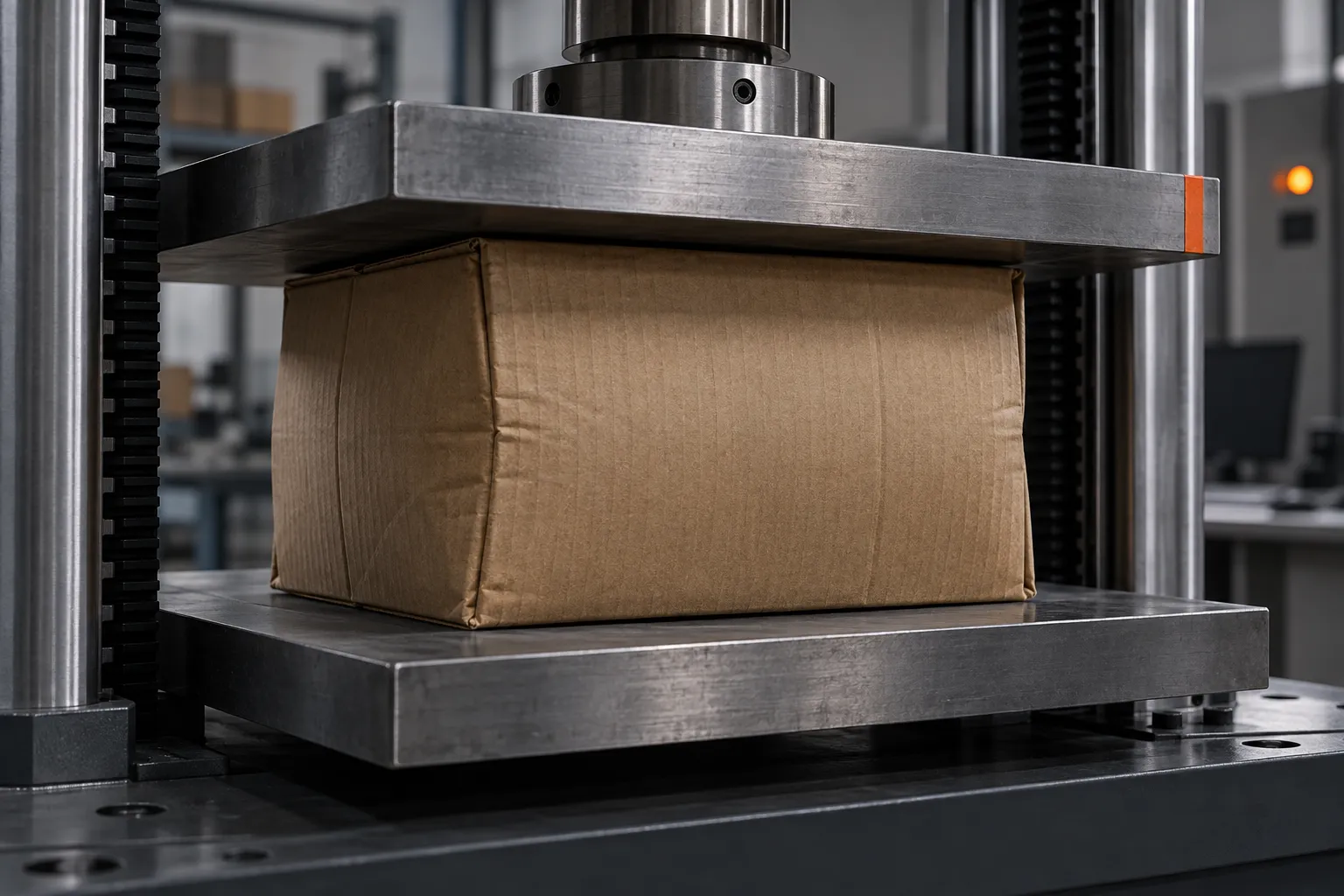
06Packaging & Product Testing
Drop, compression and environmental conditioning tests with recorded damage and redesigns.
- Drop testing
- Compression
- Temperature
- Humidity
- Material performance
 07
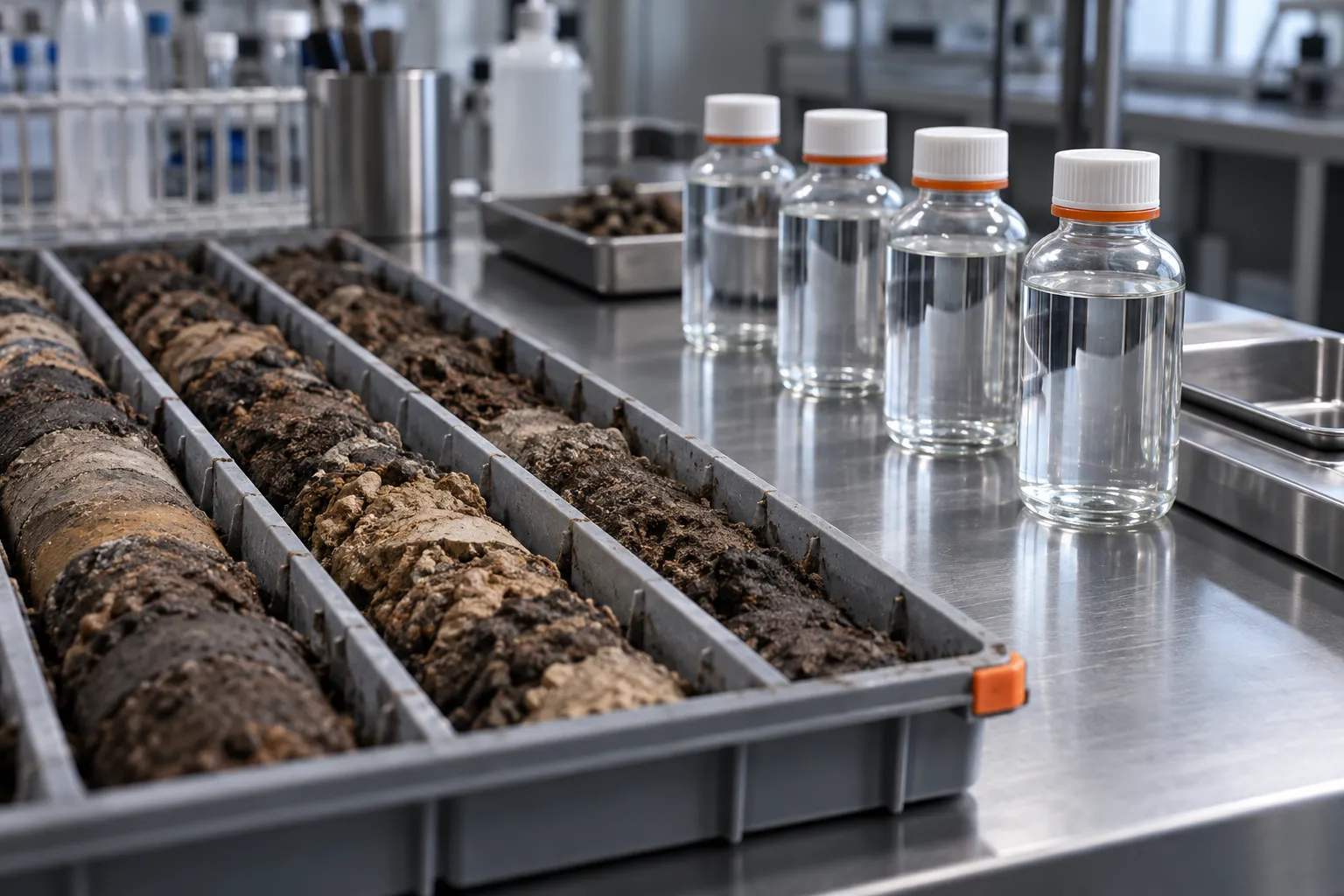
07Agriculture & Environmental
Soil, water and field-trial measurements with documented conditions and outcomes.
- Soil measurements
- Crop trials
- Water testing
- Environmental sampling
- Fertilizer outcomes
 08
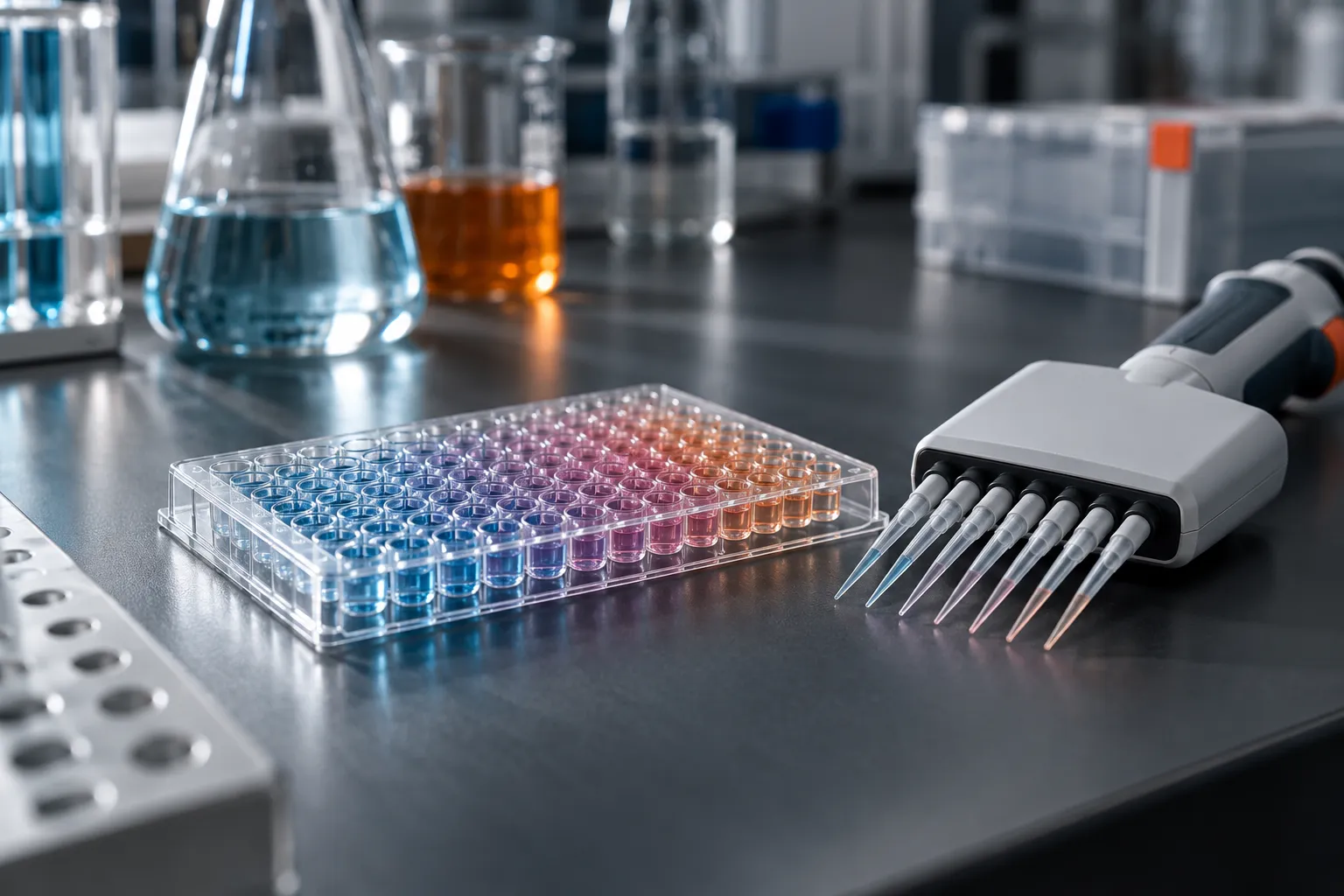
08Research & Experimental Data
Experiment parameters, controlled variables and results — including the experiments that failed.
- Experiment parameters
- Controlled variables
- Observations
- Measurements
- Successful experiments
FAQ
Questions AI teams ask.
Do you have a catalog we can browse?
We work primarily to specification. Tell us the data your model needs and we search our supplier network for organizations that produce it. Any catalog we publish contains high-level, anonymized descriptions only.
What documentation comes with a dataset?
Depending on the dataset: a dataset card, schema and field descriptions, collection methods, provenance documentation, de-identification notes and the license scope agreed with the data owner.
Can we get exclusive rights?
Sometimes. Exclusive, non-exclusive, limited-duration and field-of-use structures may be possible depending on the data owner and the dataset. Availability is decided case by case.
Can we review data before licensing?
Typically you review anonymized descriptions and documentation first. Samples may be possible under confidentiality terms where the data owner agrees.
Own valuable data?
Find out whether your historical data could qualify for AI licensing.
A confidential, no-raw-data assessment of your organization's laboratory or industrial records.
Building AI?
Tell us the proprietary data your model needs.
Specify the domain, structure, modalities and rights. We source from organizations that produce it.