Skip to content
DataNexx

Data category

Quality Control & QA

Inspections, dispositions and root-cause analyses — the record of expert judgment on real product.

Quality control data is the record of how a part or batch was checked, what was measured and what a qualified person decided. AI developers license this data to train and test models that spot defects and explain their causes. DataNexx helps manufacturers, inspection firms and quality teams find out which records can be licensed, and arranges the licence. There is no fee to the data owner.

Why it matters for AI

Recorded, judged, resolved.

QC records capture decisions, not just readings: a qualified person looked at a measurement and decided what it meant. Those labeled judgments — including the failures — are some of the most useful supervision signals for industrial AI.

Typical data

  • Inspections
  • Pass / fail determinations
  • Quality measurements
  • Defect classifications
  • Root-cause analyses
  • Corrective actions

Representative workflow

Illustrative

  1. 01Part or batch
  2. 02Inspection plan
  3. 03Measurements
  4. 04Inspector disposition
  5. 05Root cause
  6. 06Corrective action
  7. 07Verified closure

Who typically holds it

  • Quality departments
  • Contract manufacturers
  • Third-party inspection firms
  • Certification bodies

Potential AI applications

  • Quality-control and inspection models
  • Computer vision for defect classification
  • Root-cause reasoning agents
  • Evaluation of industrial copilots

What quality control data do companies hold, and where does it live?

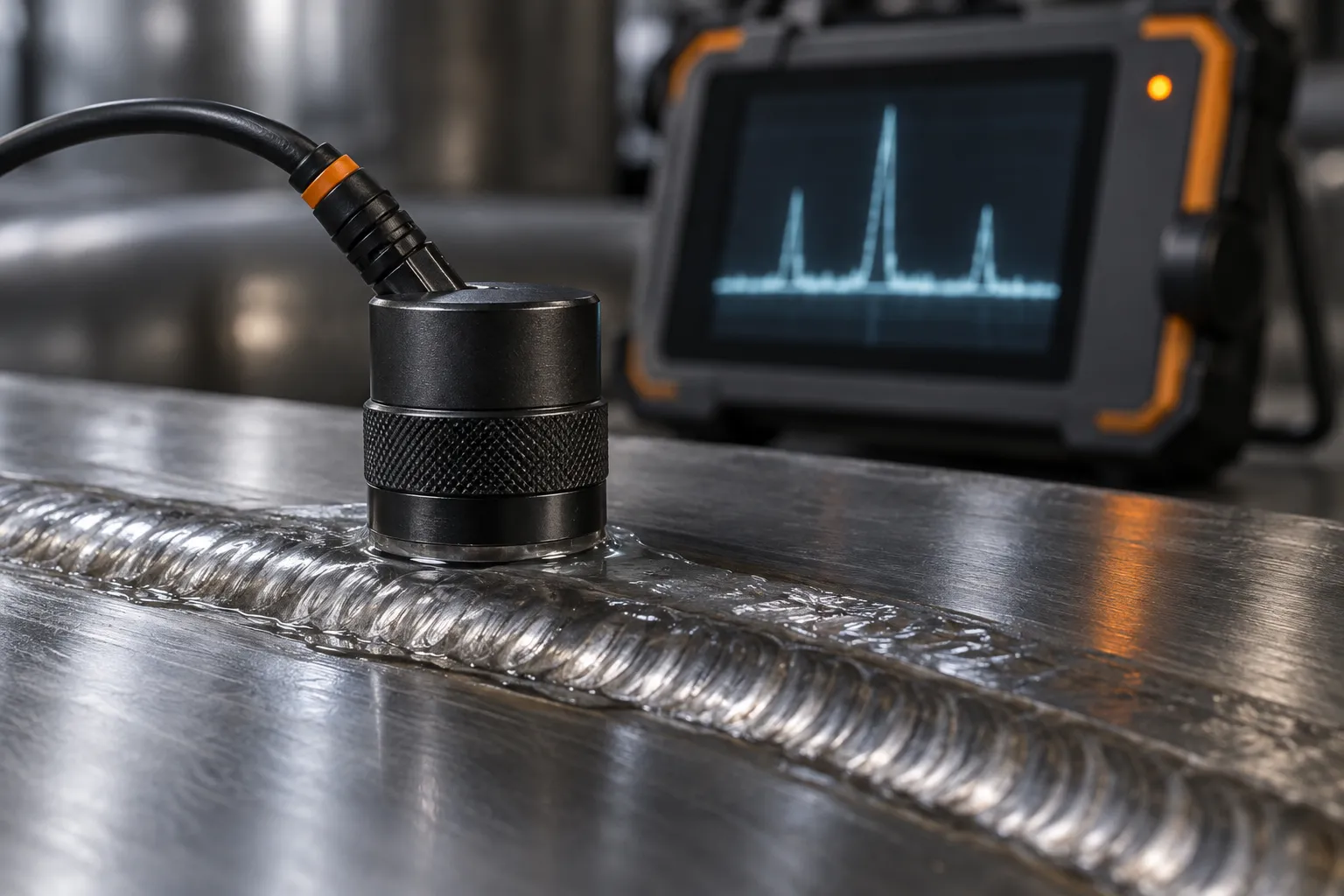
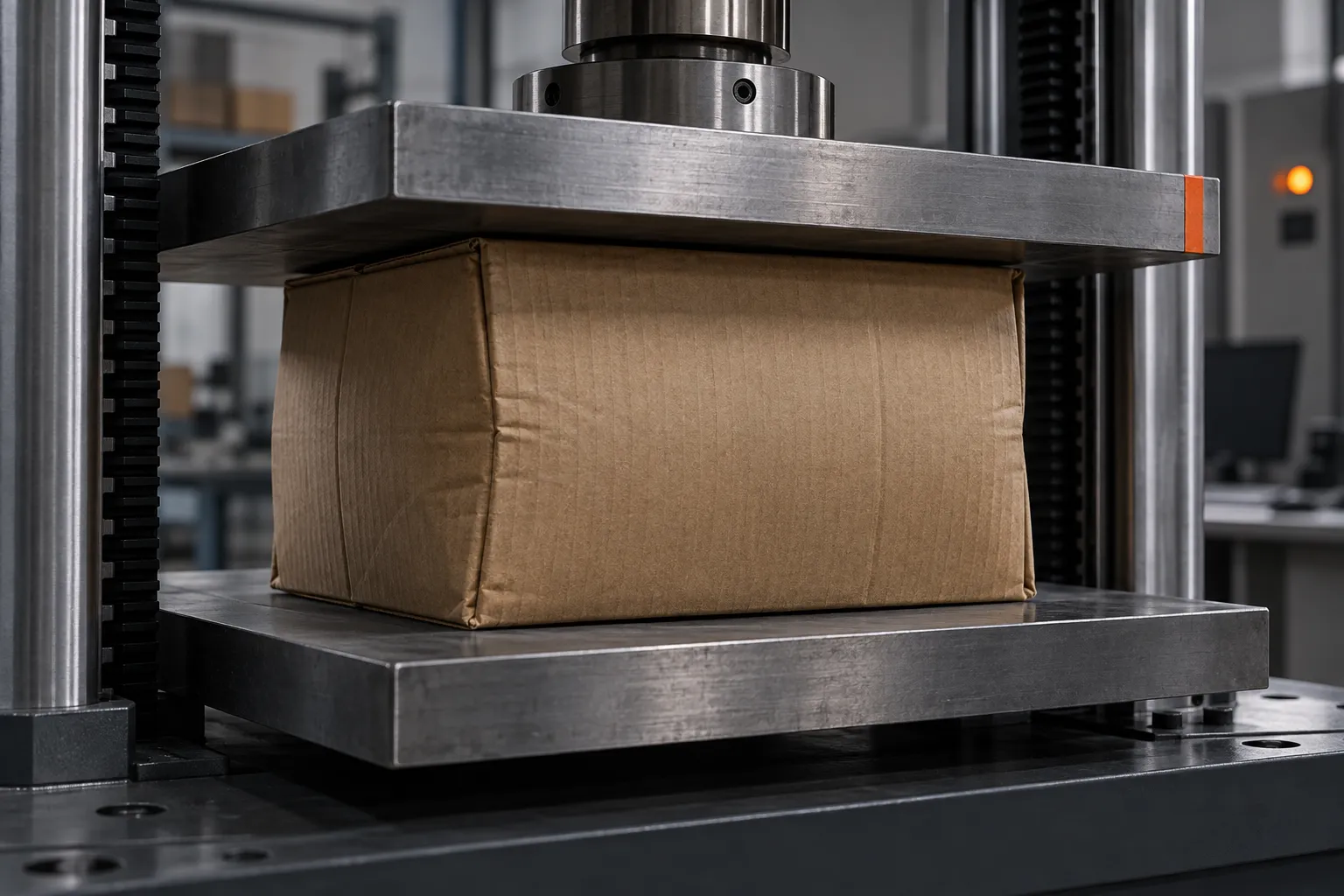
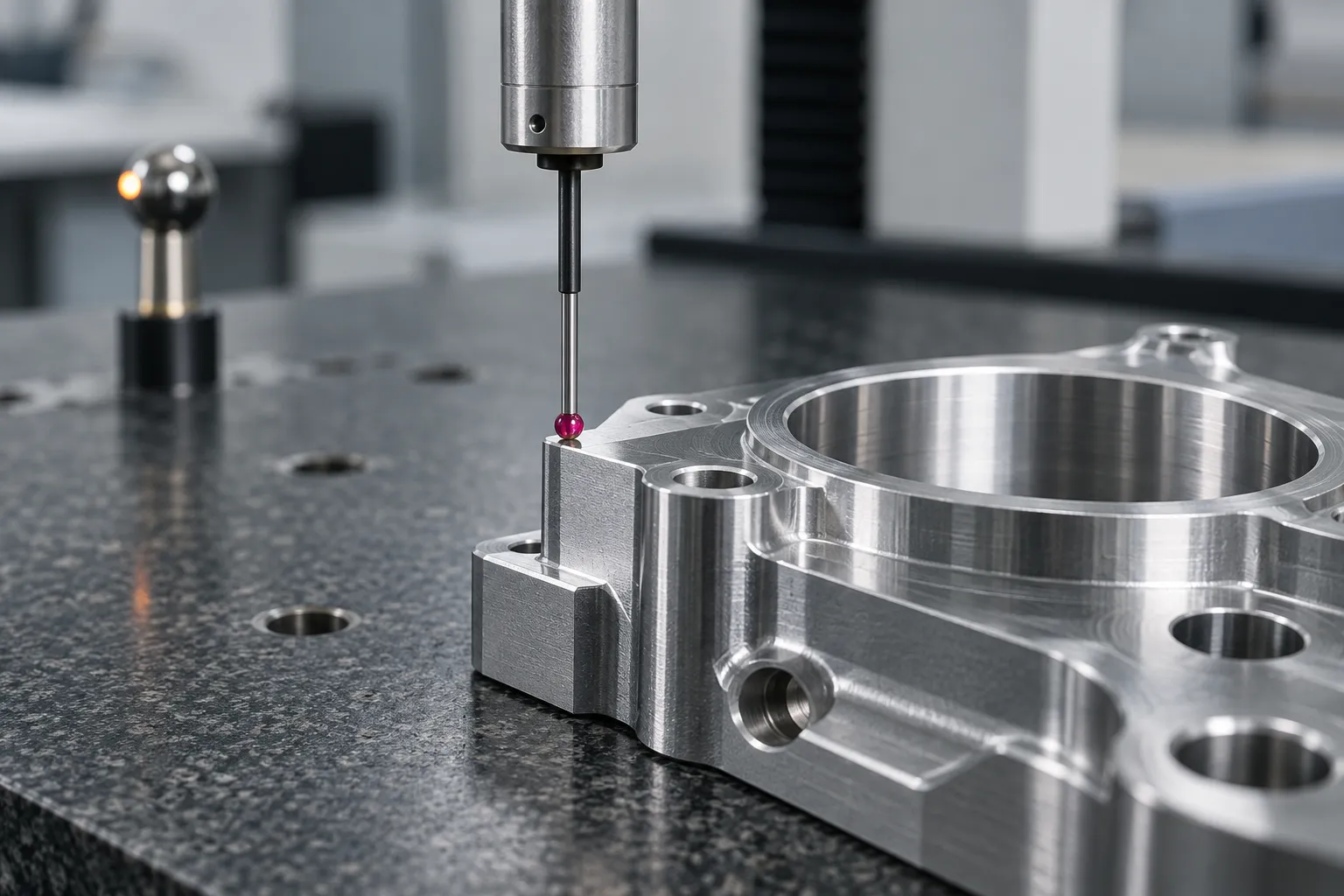
Quality teams keep detailed records because audits demand it. Inspection results and non-conformance reports often sit in a quality management system (QMS), which acts as the plant's quality control database. Measurements come from SPC software and coordinate measuring machines (CMM). Inspection images are stored by vision systems or on shared drives.

The most useful records link the measurement to the decision. A photo of a scratch is worth more when it carries the inspector's call, the root cause and the fix that closed it.

  • Inspection plans, sampling rules and acceptance limits
  • Measurements from gauges, CMMs and test rigs
  • Defect images with the inspector's classification
  • Non-conformance reports and dispositions: use, rework or scrap
  • Root-cause analyses and corrective and preventive actions
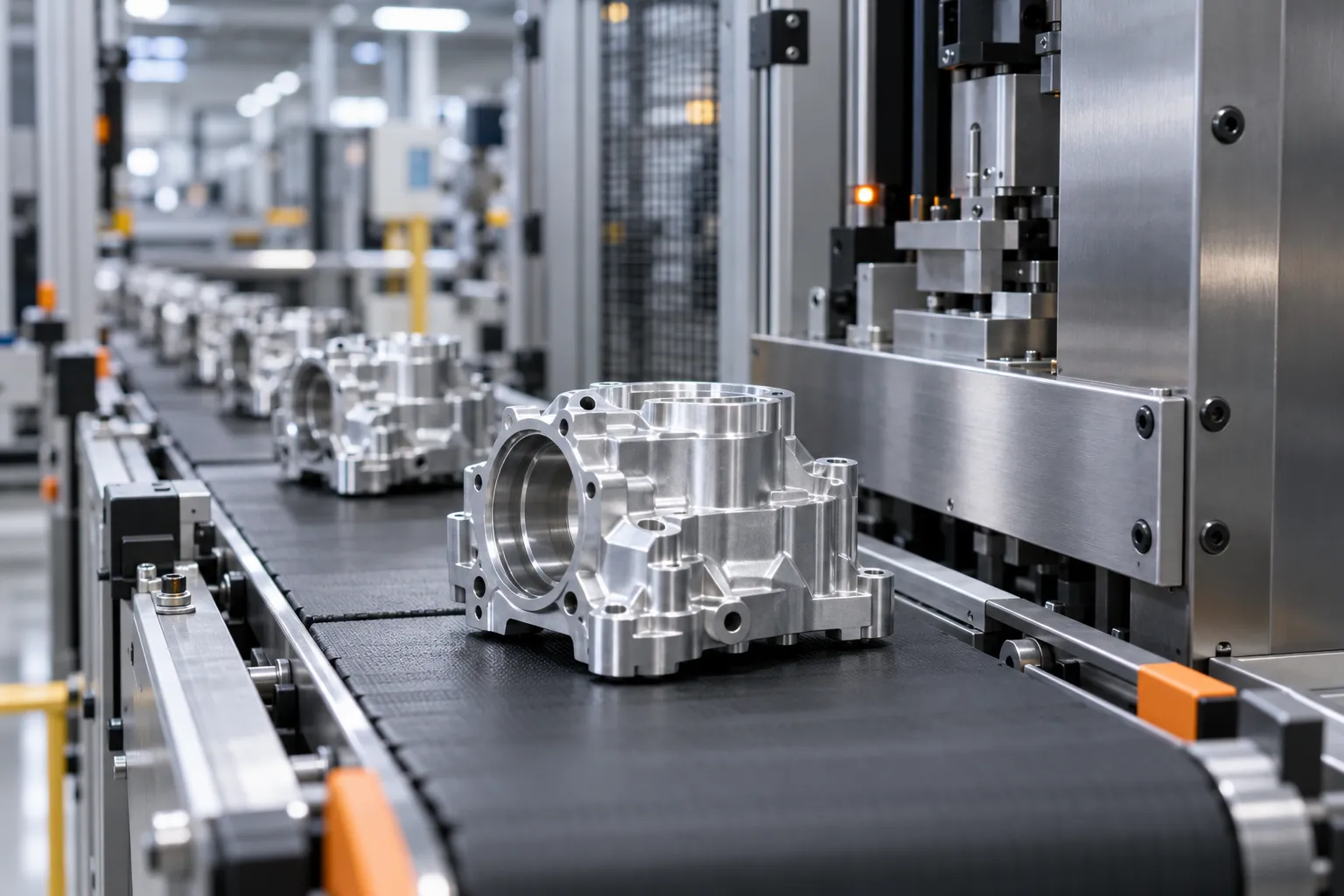
What can AI teams build with a defect detection dataset?

AI developers want QC data because each record carries a judgment. A trained inspector looked at the part and decided pass or fail. That label is what most vision and reasoning models lack.

Rejected parts and borderline calls matter most. They teach a model where the real line between good and bad sits.

  • Computer vision models that find and classify defects
  • Models that predict a failed inspection from process data
  • Root-cause assistants that suggest likely causes and fixes
  • Evaluation sets that test industrial copilots against real dispositions

Who owns inspection results done for a customer?

It depends on the contract. Third-party inspection firms and contract manufacturers often check parts made to a customer's drawings. The customer may control those results, the drawings and the defect photos.

Common routes are records from your own products, results with customer names, part numbers and logos removed, or data a customer agrees to include. Supplier quality agreements can add their own limits. This is not legal advice; your counsel decides what is allowed, and we help you map it.

How do you describe your quality control dataset for a first assessment?

You do not need to send any data. A short description is enough to start: the products and inspection types, the years covered, the rough number of inspections or images, and the systems that hold them.

Say whether defect images carry labels and whether results link to root causes. Note which records come from customer work. The assessment walks you through these points, and we reply within 24 hours.

Example record (illustrative)

One inspection record as it might be exported from a QMS with its images. Field names and contents are illustrative.
FieldWhat it holds
Inspection IDAn internal code, replaced with a new random ID before licensing
Part typeA generic part family, with customer part numbers removed
Inspection methodVisual, gauge, CMM or vision system, with the plan version
MeasurementsMeasured values against the tolerance for each feature
Defect imageThe photo or scan, with the defect area marked
Defect classThe inspector's label, such as crack, porosity or misalignment
DispositionAccept, rework or scrap, and who signed it off
Root cause and actionThe confirmed cause and the corrective action that closed it

Frequently asked questions

What is quality control data?

Quality control data is what a company records when it checks products: inspection plans, measurements, defect images, pass or fail decisions and root-cause findings. For AI, the most useful QC data links the measurement to the decision.

Are unlabeled defect images worth anything?

They can be, but labeled images are worth much more. If your inspectors recorded a defect class or a disposition with each image, the data is far more useful. The assessment checks how your images are labeled.

Can an inspection company license results it produced for clients?

Sometimes. It depends on your client contracts. Client names and part details are removed, and some clients must agree first. Records from your own internal programs are usually simpler.

Where can AI teams get quality inspection data?

Labeled quality inspection data rarely reaches the public web, because it sits inside quality systems. DataNexx is not a marketplace of ready-made files. We find manufacturers and inspection firms whose records fit a request and arrange a licence. AI teams can describe what they need on our Request a Dataset page.

Who pays for the assessment?

There is no fee to the data owner. Compensation comes from the licence, when an AI company licenses the data.

Trust & compliance

Data licensing without losing control.

Your data stays yours until you decide otherwise. We assess before anything is shared, and we treat rights and privacy as conditions of a transaction — not afterthoughts.

No raw data for an initial evaluation

Nothing moves without authorization

Ownership is not the same as licensing rights

Specialist review where it is needed

Scoped records, never bulk exports

How we handle rights, privacy and confidentiality

Own valuable data?

Check your data's licensing potential.

A confidential, no-raw-data assessment of your company's records — from lab results and production logs to cases, claims and transactions.

Building AI?

You specify it. We source it.

Tell us the proprietary data your model needs — domain, structure, formats and rights. We approach the organizations that produce it.