Data categories
From physical-world processes to AI-ready datasets.
Valuable data exists wherever something is measured, judged and resolved. These are the domains we work in — each with its own workflow from input to verified outcome.
 01
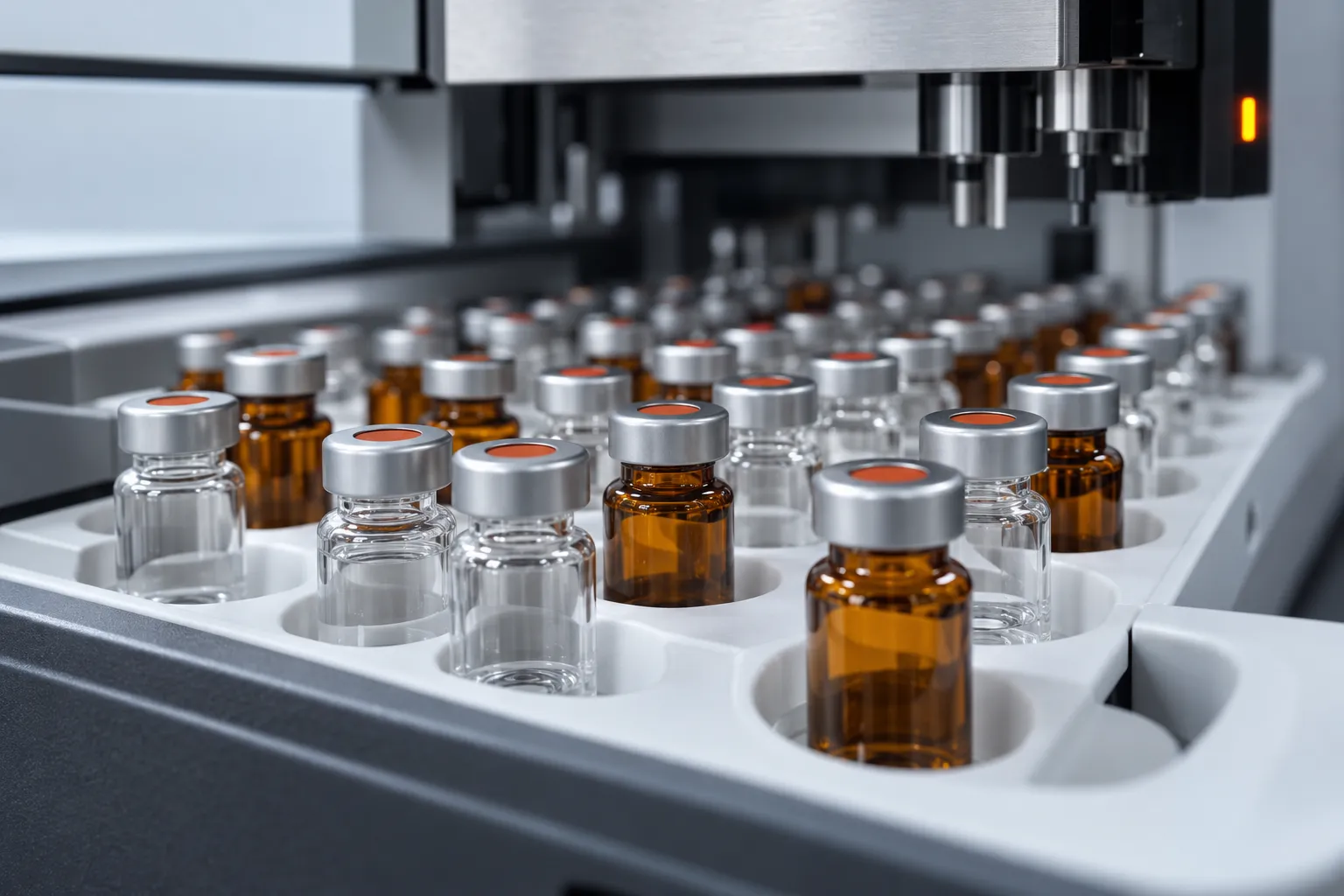
01Laboratory & Testing Data
Analytical results, assay outcomes and certification records from commercial and accredited laboratories.
- Analytical chemistry
- Microbiology
- Chromatography
- Spectroscopy
- Chemical testing
- Food testing
- Environmental testing
 02
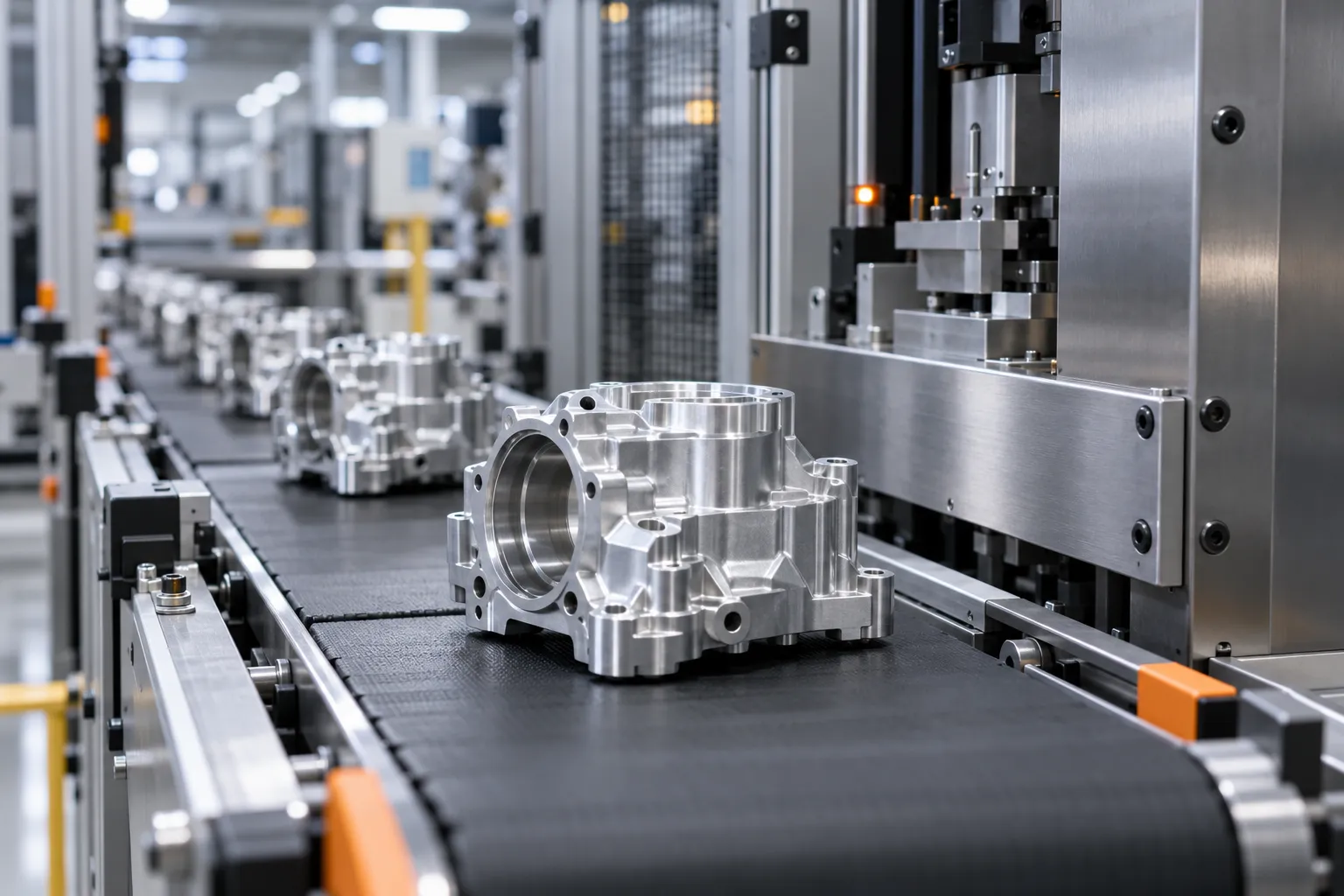
02Manufacturing & Production
Process parameters, machine settings and batch outcomes linked to what actually came off the line.
- Production parameters
- Machine settings
- Process conditions
- Batch information
- Production outcomes
 03
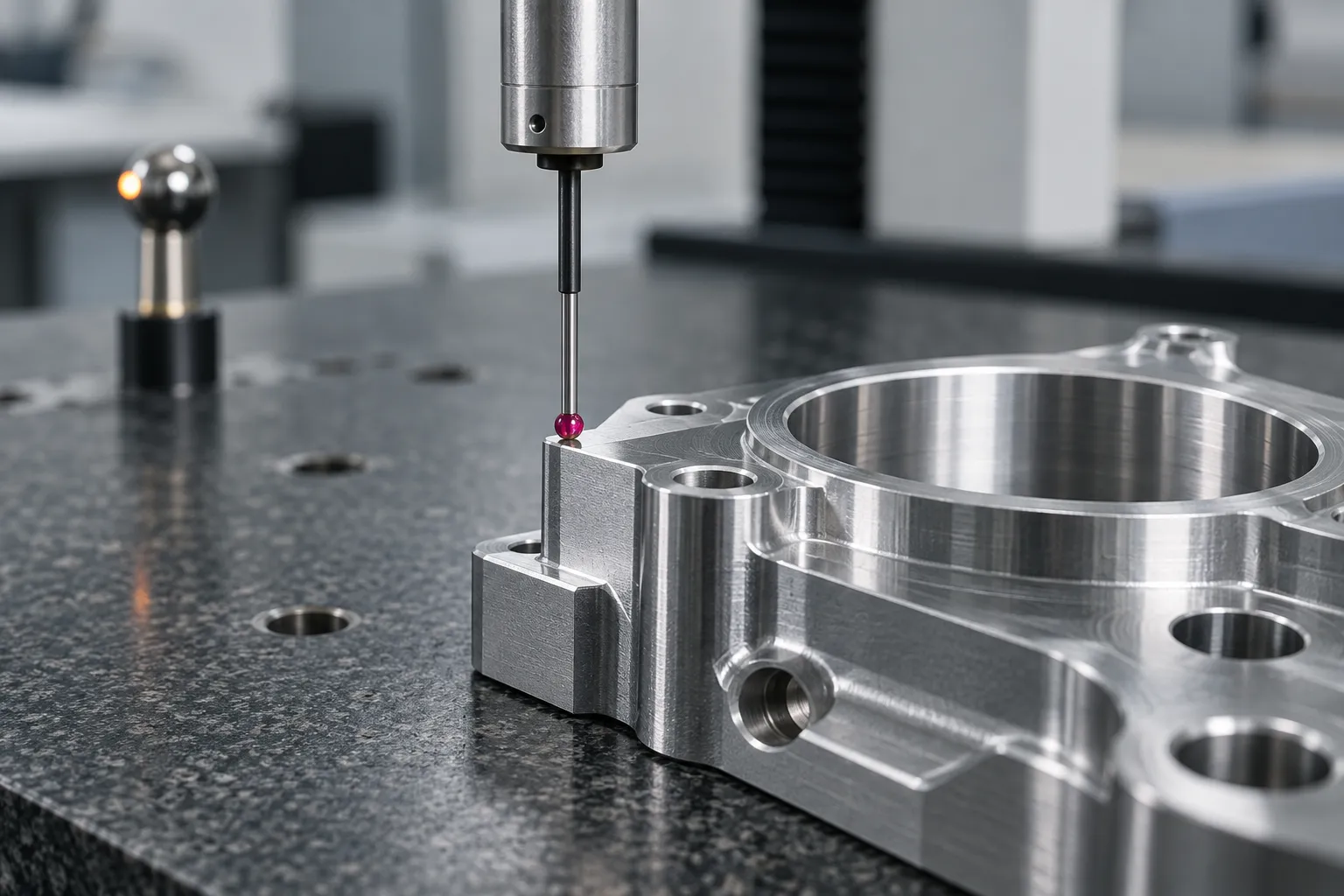
03Quality Control & QA
Inspections, dispositions and root-cause analyses — the record of expert judgment on real product.
- Inspections
- Pass / fail determinations
- Quality measurements
- Defect classifications
- Root-cause analyses
 04
04Materials & Engineering
Mechanical, thermal and fatigue testing tied to composition and observed failure modes.
- Tensile testing
- Compression testing
- Fatigue testing
- Thermal testing
- Material composition
 05
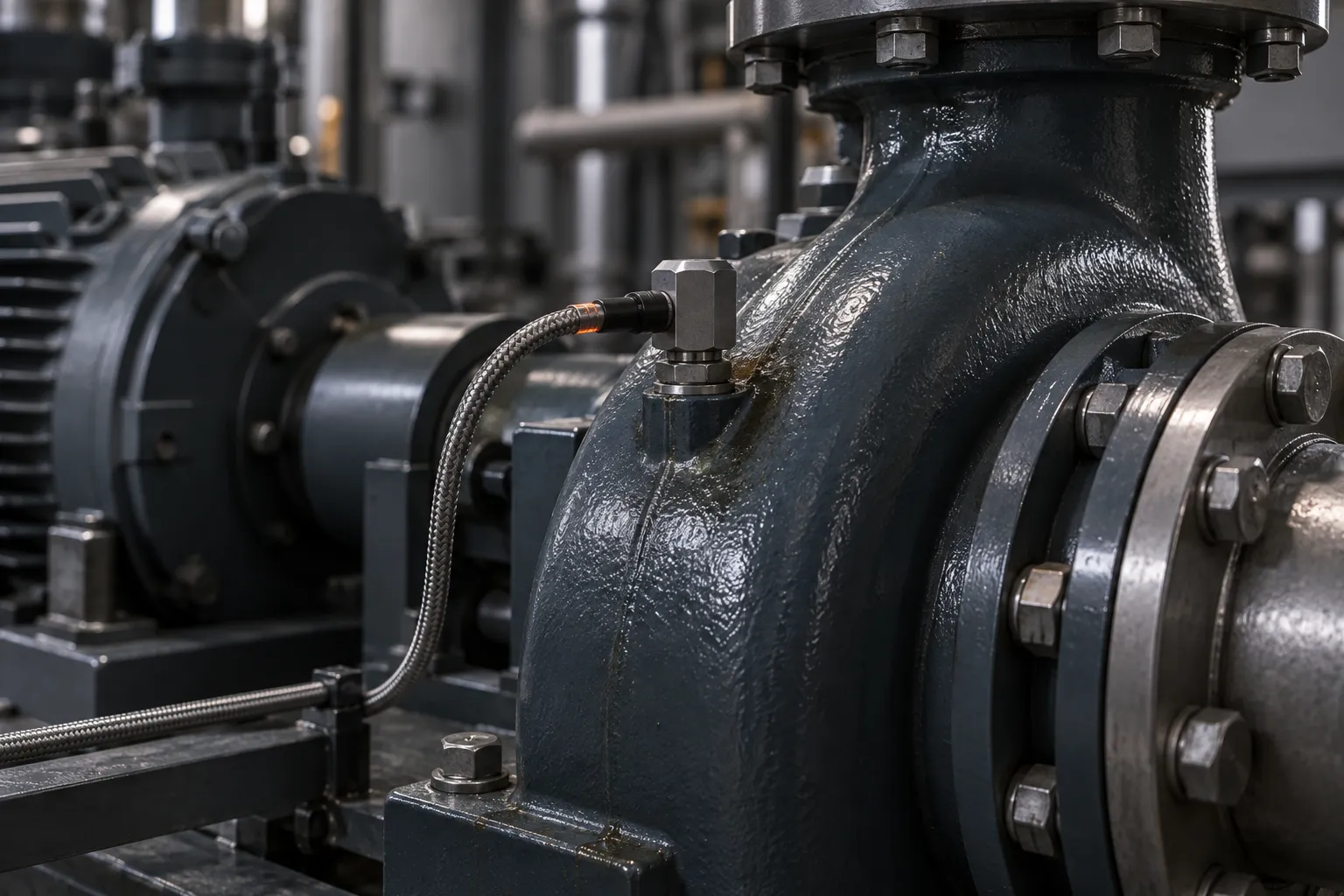
05Sensors & Industrial Systems
Telemetry and operating states paired with the anomalies and maintenance events that followed.
- Machine telemetry
- Temperature
- Vibration
- Pressure
- Operating states
 06
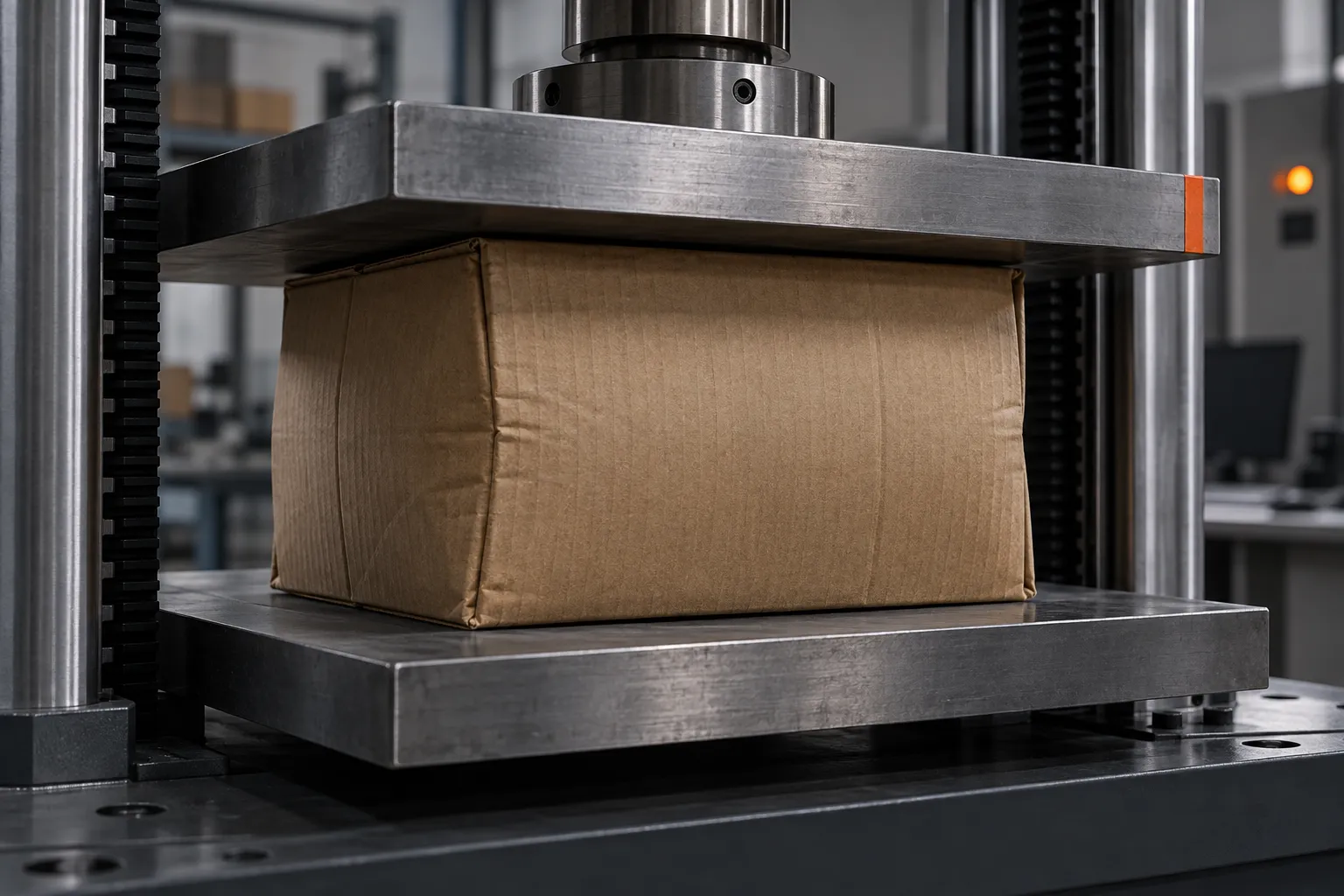
06Packaging & Product Testing
Drop, compression and environmental conditioning tests with recorded damage and redesigns.
- Drop testing
- Compression
- Temperature
- Humidity
- Material performance
- Damage classifications
 07
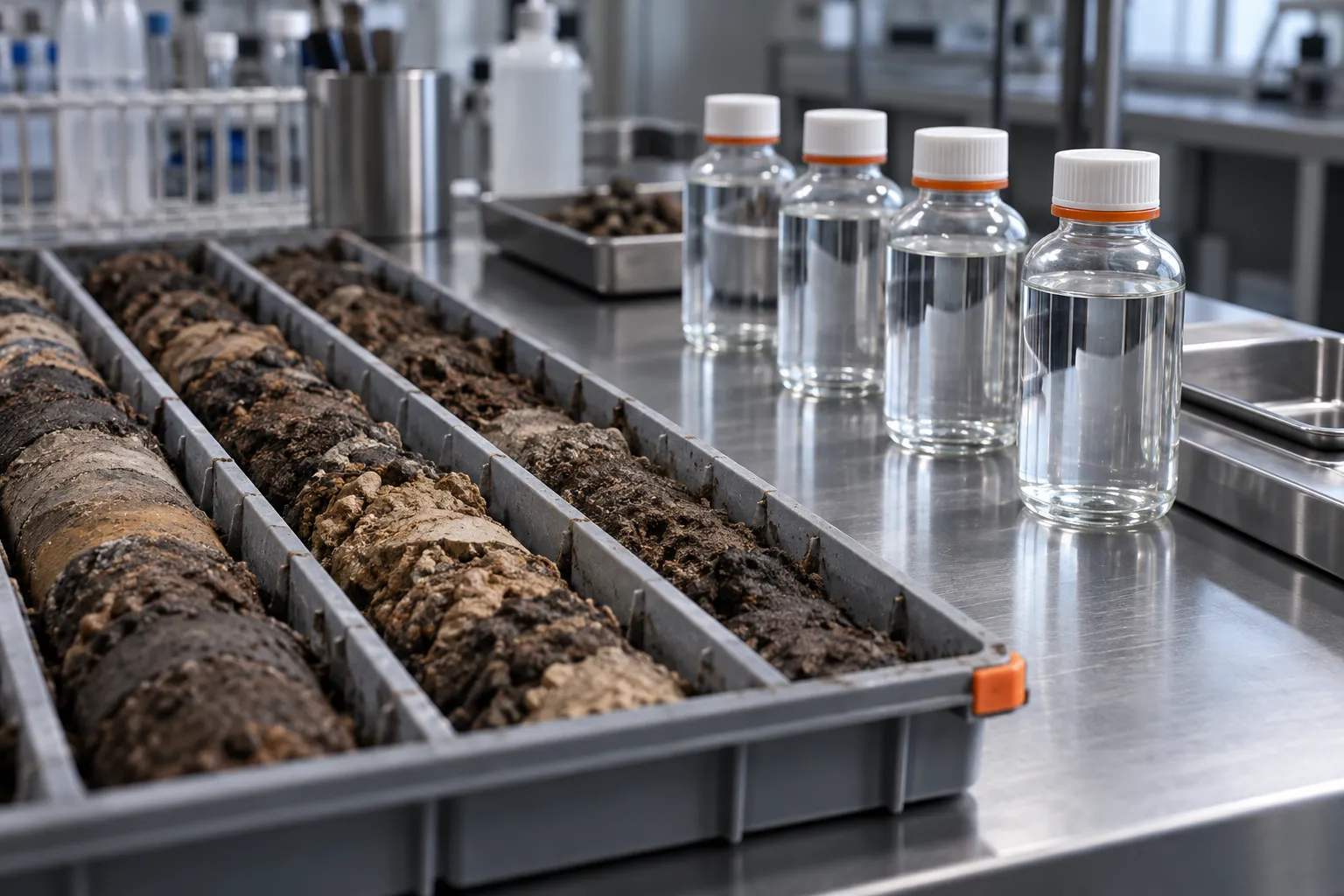
07Agriculture & Environmental
Soil, water and field-trial measurements with documented conditions and outcomes.
- Soil measurements
- Crop trials
- Water testing
- Environmental sampling
- Fertilizer outcomes
- Agricultural experiments
 08
08Research & Experimental Data
Experiment parameters, controlled variables and results — including the experiments that failed.
- Experiment parameters
- Controlled variables
- Observations
- Measurements
- Successful experiments
- Failed experiments
Workflows
Every category has a chain.
The strongest datasets connect each stage of a workflow, from the input to the verified result. Here is what that chain looks like in each domain.
- Laboratory & Testing Data
- Sample
- Preparation method
- Instrument settings
- Measurements
- Technician observations
- Interpretation
- Verified result
- Manufacturing & Production
- Raw material
- Production parameters
- Machine readings
- Quality inspection
- Defect
- Corrective action
- Final pass / fail
- Quality Control & QA
- Part or batch
- Inspection plan
- Measurements
- Inspector disposition
- Root cause
- Corrective action
- Verified closure
- Materials & Engineering
- Material composition
- Test conditions
- Load / temperature / stress
- Measurements
- Failure mode
- Engineer review
- Certification result
- Sensors & Industrial Systems
- Sensor readings
- Machine state
- Operator action
- Anomaly
- Maintenance / correction
- Resulting performance
- Packaging & Product Testing
- Package design
- Material
- Humidity / temperature
- Compression / drop test
- Damage
- Redesign
- Verified performance
- Agriculture & Environmental
- Sample source
- Environmental conditions
- Analytical method
- Instrument result
- Expert interpretation
- Verified outcome
- Research & Experimental Data
- Hypothesis
- Experiment design
- Controlled variables
- Measurements
- Observation
- Result — success or failure
Across every category
What makes industrial data valuable?
- Proprietary
- Data not already widely available online.
- Measured
- Real observations from physical-world processes.
- Expert-generated
- Contains technician, scientist, engineer or operator judgment.
- Verified
- Includes known results or ground truth.
- Longitudinal
- Years of history can reveal rare events and edge cases.
- Connected
- Data spanning multiple stages of a workflow may be more useful.
- Multimodal
- Structured records, images, documents, signals and measurements together.
- Rights-cleared
- Clear provenance and licensing rights.
Own valuable data?
Find out whether your historical data could qualify for AI licensing.
A confidential, no-raw-data assessment of your organization's laboratory or industrial records.
Building AI?
Tell us the proprietary data your model needs.
Specify the domain, structure, modalities and rights. We source from organizations that produce it.