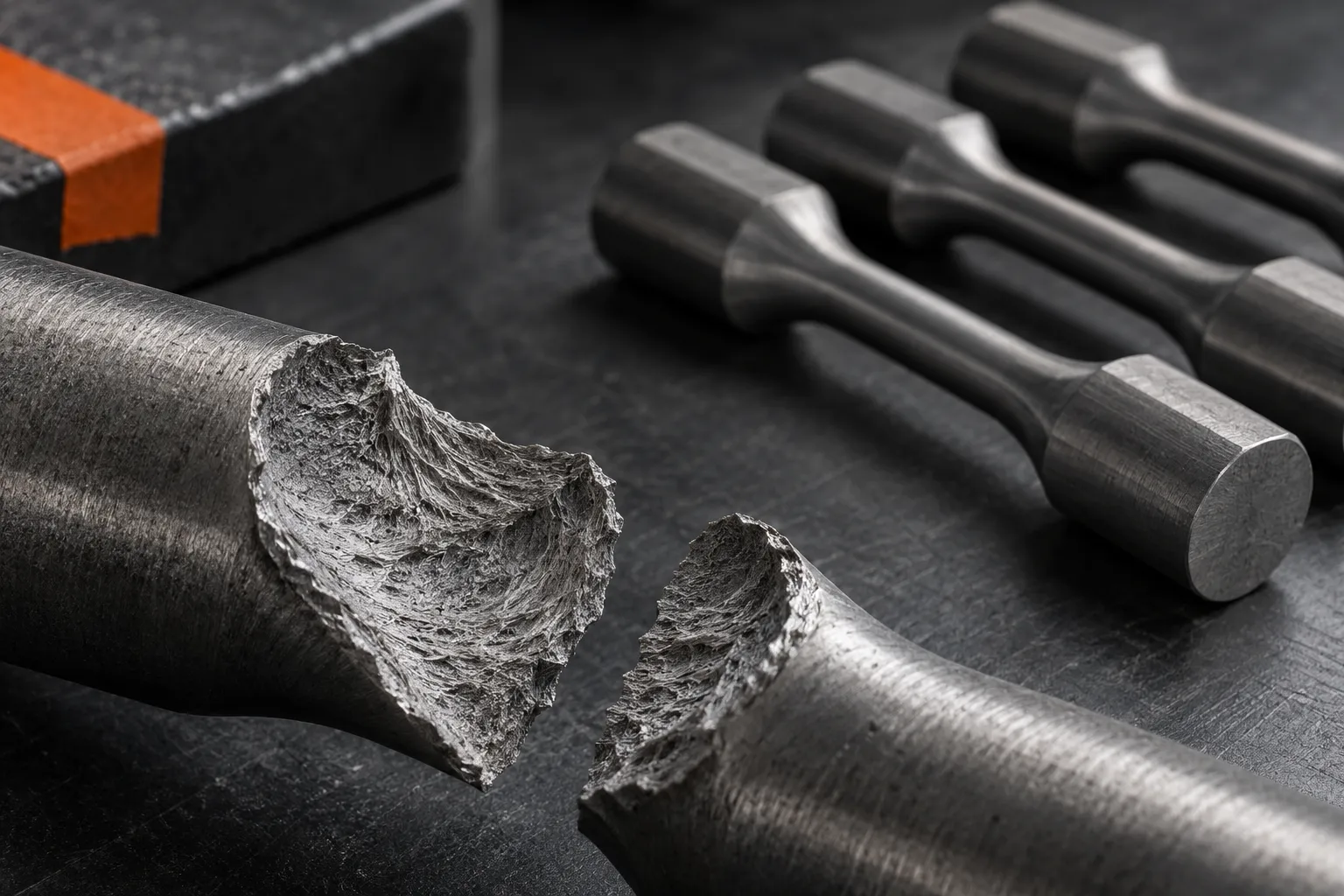
Data category
Materials & Engineering
Mechanical, thermal and fatigue testing tied to composition and observed failure modes.
Why it matters for AI
Measured, judged, resolved.
Materials tests are controlled experiments with a measured ending: the specimen held or it failed, and an engineer recorded how. Years of these results across compositions and conditions describe physical behavior that is expensive to reproduce.
Typical data
- Tensile testing
- Compression testing
- Fatigue testing
- Thermal testing
- Material composition
- Failure modes
- Engineering measurements
Representative workflow
Illustrative
- 01Material composition
- 02Test conditions
- 03Load / temperature / stress
- 04Measurements
- 05Failure mode
- 06Engineer review
- 07Certification result
Who typically holds it
- Materials testing laboratories
- Engineering and testing companies
- Metals, polymers and composites producers
- Industrial R&D groups
Potential AI applications
- Materials science models
- Physical-world reasoning
- Engineering design assistants
- Surrogate models for simulation
Trust & compliance
Data licensing without losing control.
Your data stays yours until you decide otherwise. We assess before anything is shared, and we treat rights and privacy as conditions of a transaction — not afterthoughts.
No raw data for an initial evaluation
The first assessment uses descriptions, schemas and counts — not your records.
Nothing moves without authorization
Data is not transferred to buyers without your explicit authorization and an agreed license.
Ownership is not the same as licensing rights
Customer contracts, consents and confidentiality terms can limit what may be licensed, even for data you hold.
Specialist review where it is needed
We work with data owners and appropriate legal and compliance specialists to determine what can be licensed.
Datasets may require
- Contractual review
- Customer-consent review
- Anonymization
- De-identification
- Removal of restricted information
- Export-control review
- Cross-border data review
Removing names alone does not guarantee anonymization. Combinations of dates, locations, product codes or rare events can re-identify people or customers, so de-identification is planned dataset by dataset.
DataNexx does not provide legal advice. Data licensing transactions may require independent legal, privacy, regulatory, or export-control review.
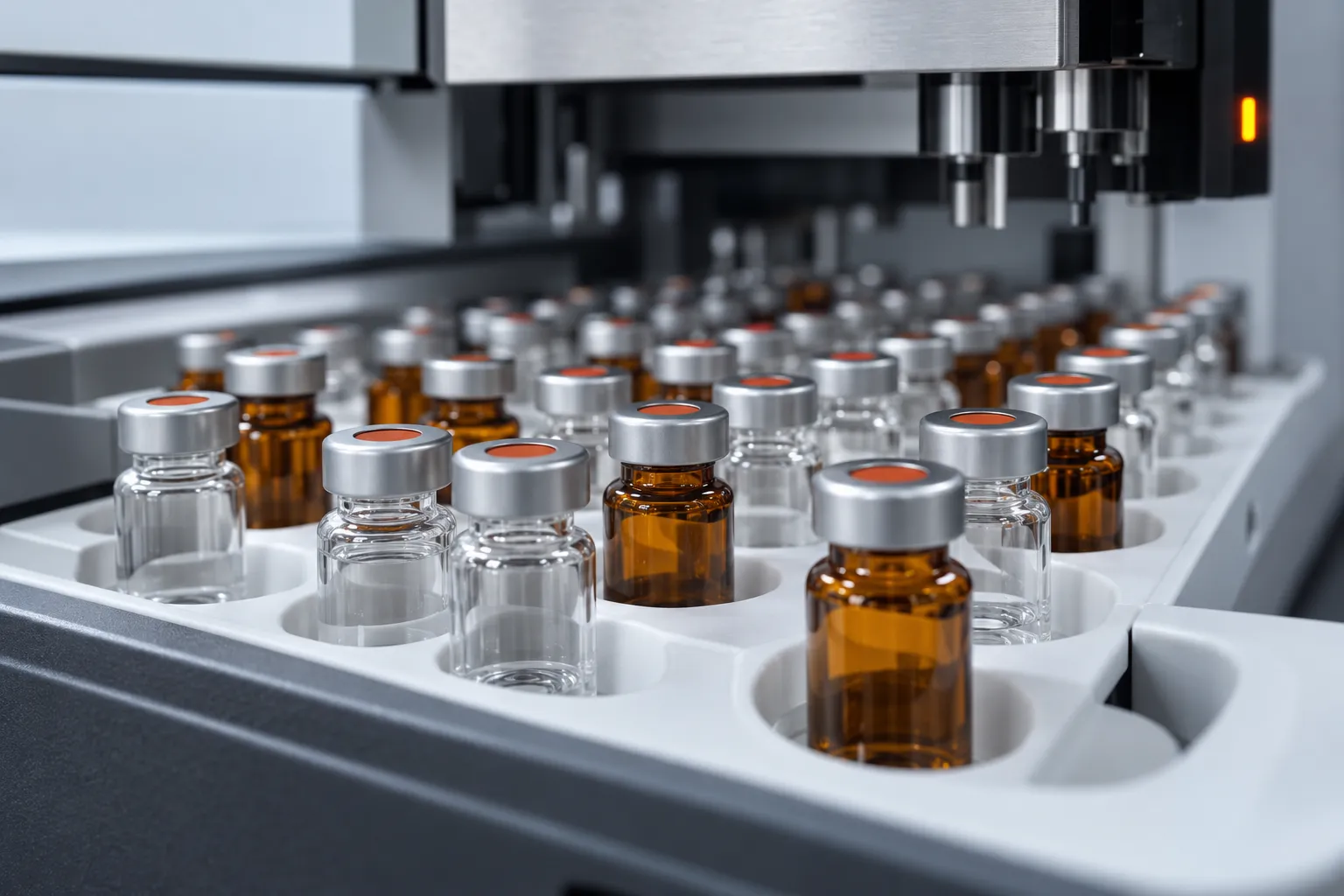
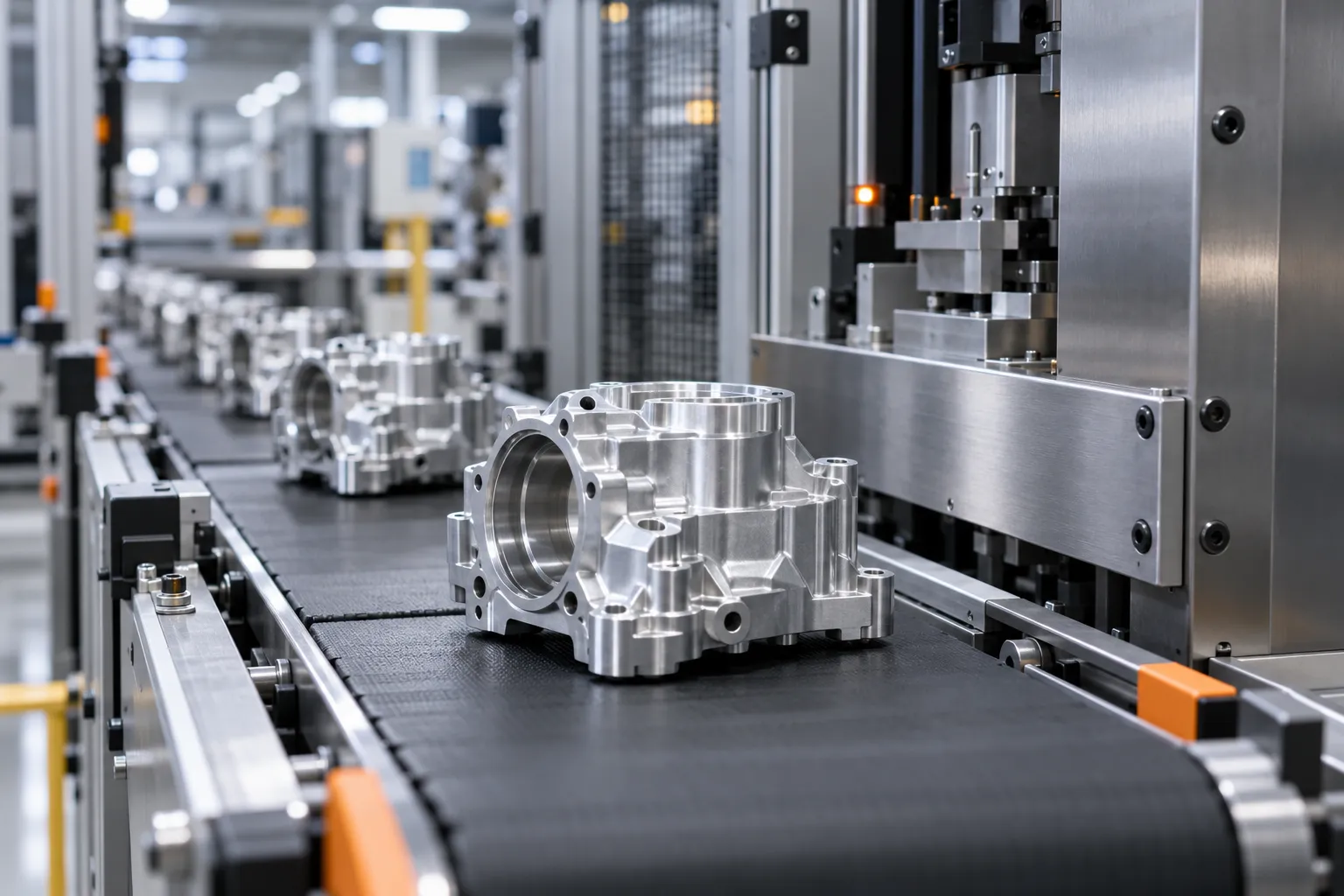
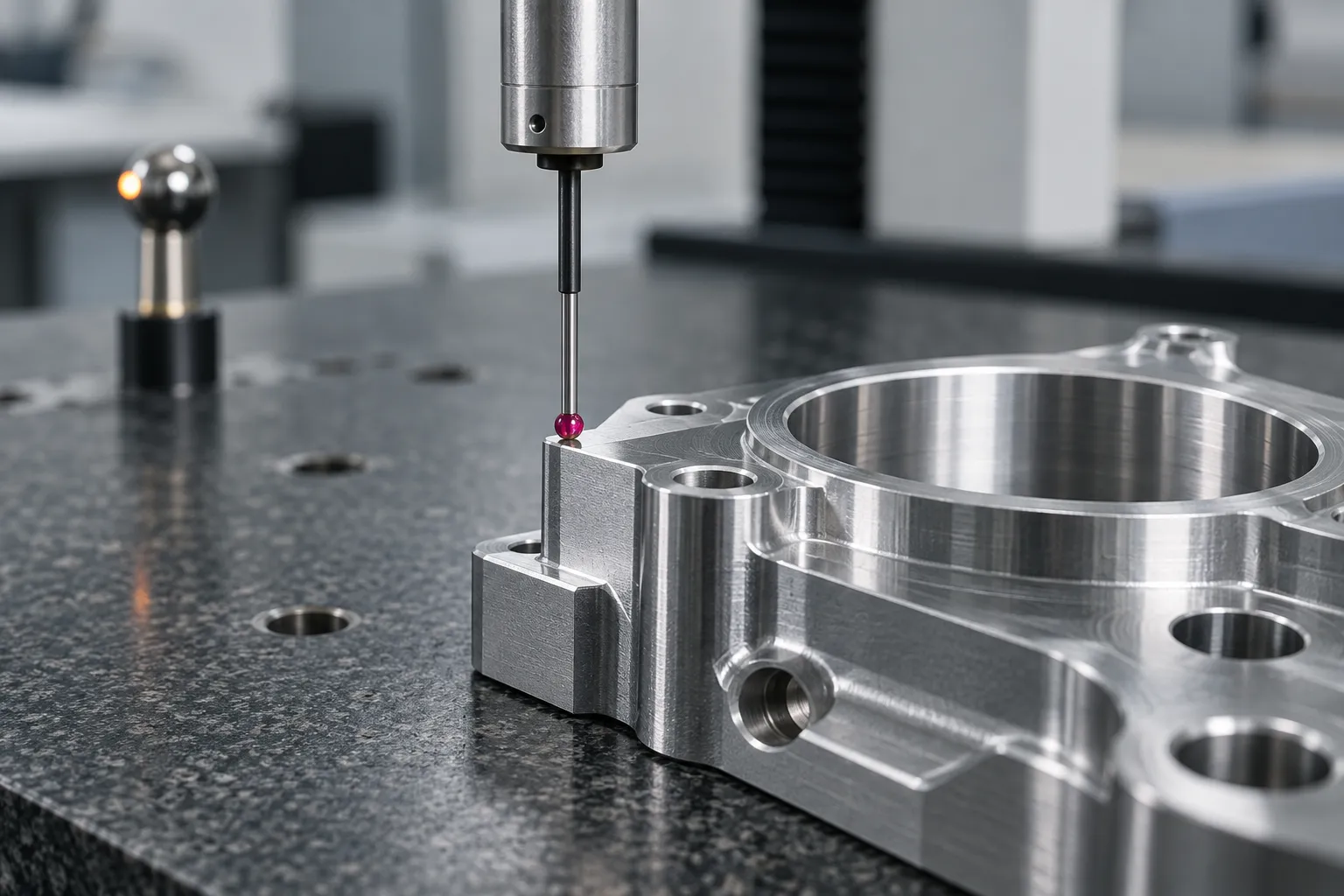
Own valuable data?
Find out whether your historical data could qualify for AI licensing.
A confidential, no-raw-data assessment of your organization's laboratory or industrial records.
Building AI?
Tell us the proprietary data your model needs.
Specify the domain, structure, modalities and rights. We source from organizations that produce it.