Skip to content
DataNexx

Data category

Veterinary & Animal Health Data

Case records linking symptoms, lab results and diagnostic images to diagnosis, treatment and outcome.

Veterinary data is the record of an animal's case: signs, exam findings, lab results, images, diagnosis, treatment and outcome. AI developers license this animal health data to build diagnostic and imaging models. DataNexx helps clinics, animal hospitals and veterinary labs find out what can be licensed, and arranges the licence. There is no fee to the data owner.

Why it matters for AI

Recorded, judged, resolved.

Veterinary practices record the full arc of a case — signs, tests, images, diagnosis, treatment and recheck — across many species. Owner details are removed before anything is licensed; what remains is outcome-linked clinical reasoning that is scarce in public data.

Typical data

  • Case records & histories
  • Clinical signs & symptoms
  • Lab test results
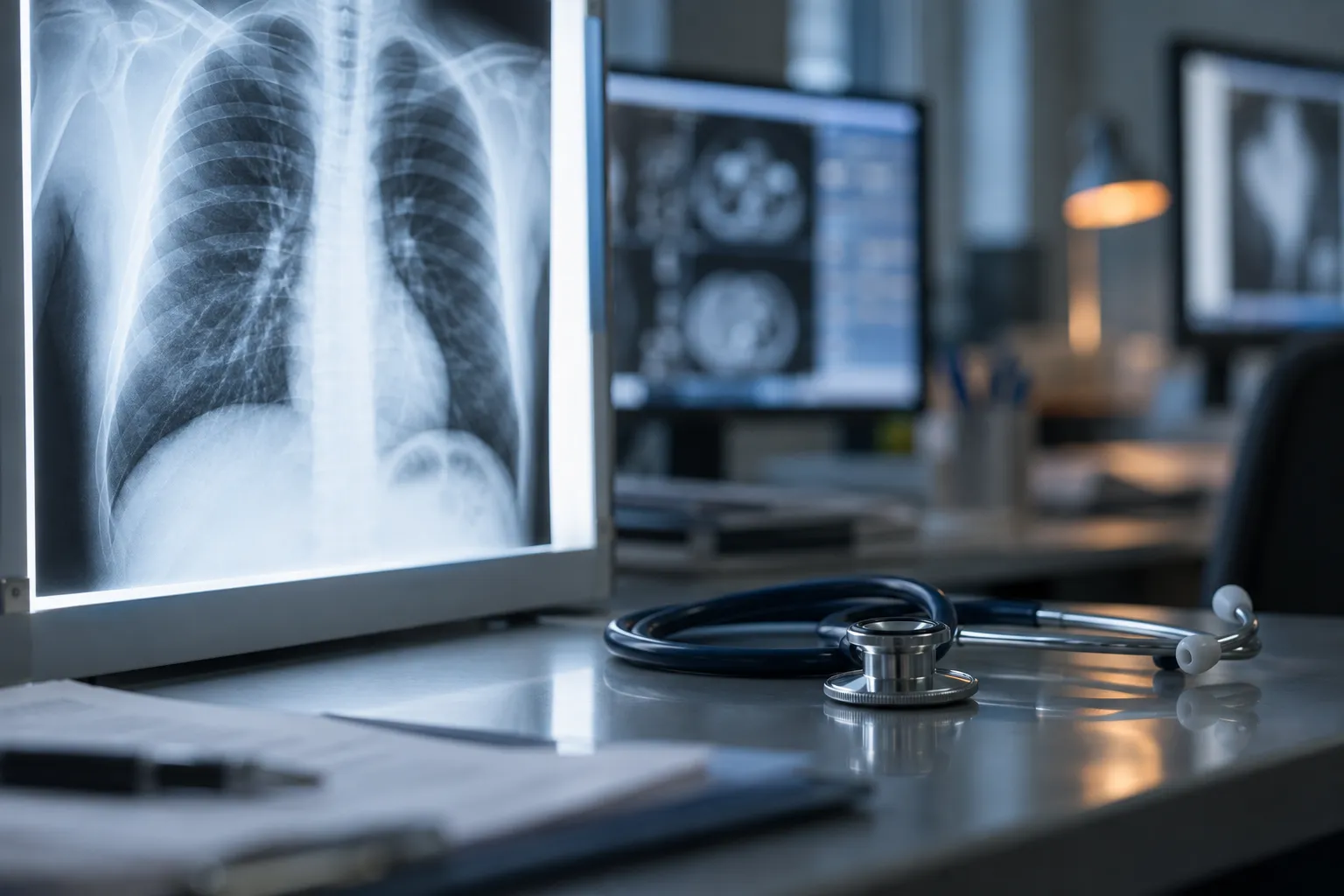
  • X-ray & ultrasound images
  • Diagnoses
  • Prescriptions & treatments
  • Surgery & anesthesia records
  • Vaccination & herd health
  • Treatment outcomes

Representative workflow

Illustrative

  1. 01Presenting signs
  2. 02Examination
  3. 03Lab tests & imaging
  4. 04Veterinarian's diagnosis
  5. 05Treatment or surgery
  6. 06Recheck
  7. 07Recorded outcome

Who typically holds it

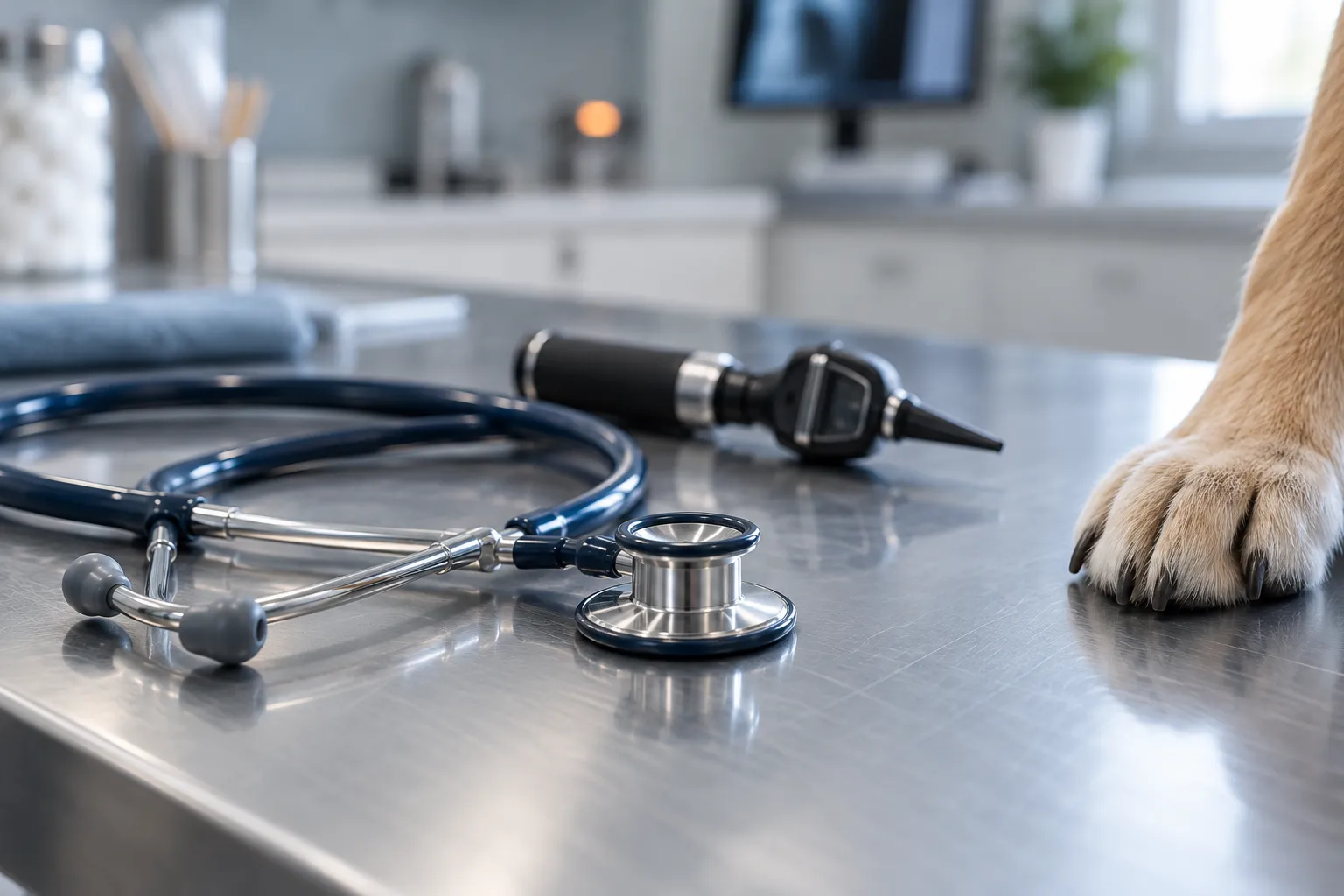
  • Companion-animal clinics and hospitals
  • Veterinary diagnostic laboratories
  • Livestock and herd-health practices
  • Specialty and referral centers

Potential AI applications

  • Veterinary diagnostic assistants
  • Imaging interpretation models
  • Herd-health and outbreak prediction
  • Evaluation sets with confirmed diagnoses

What veterinary records do clinics and labs hold?

Most clinics keep case records in practice management software. Animal hospital lab results come from in-house analyzers or reference labs. X-rays and ultrasound images are stored in a PACS or in the imaging system that came with the machine.

Livestock and herd-health practices also keep vaccination, feed and herd treatment records. Referral centers hold complex cases with specialist notes.

  • Case histories and presenting signs
  • Blood work, urinalysis and other lab results
  • X-ray, ultrasound and CT images with reports
  • Diagnoses, prescriptions and surgery records
  • Rechecks and recorded outcomes

What can AI teams build with animal health data?

Veterinary AI has less training data to work with than human medical AI. Records that link lab results and images to a confirmed diagnosis rarely leave the clinic.

Species matters too. A dataset that covers dogs, cats, horses and farm animals helps a model learn that the same sign can mean different things in different animals.

  • Diagnostic assistants for veterinarians
  • Imaging models for X-ray and ultrasound
  • Lab result interpretation across species
  • Herd-health and outbreak prediction
  • Evaluation sets with confirmed diagnoses

What about pet owners' personal data?

Animal records also contain details about people: owner names, addresses, phone numbers and payments. These are personal data and are removed before anything is licensed. Free-text notes are checked for names too.

Reference labs and imaging partners may have their own terms about results they produced. Your counsel decides what can be shared; this page is not legal advice.

How do you describe veterinary data for a first assessment?

You do not send records to start. Describe the species you see, the years covered, the rough number of cases, and which systems hold records, lab results and images.

Note whether images are stored with their reports and whether lab results are linked to the case. We reply within 24 hours.

Example record (illustrative)

One companion-animal case, with owner details removed. Field names and contents are illustrative.
FieldWhat it holds
Case IDA random code, not the clinic's patient number
Species and breedFor example dog, Labrador retriever
Age and weightAge in years and weight at the visit
Presenting signsWhat the owner reported and the vet observed
Lab resultsBlood panel values with reference ranges
ImagingRadiographs with the radiologist's or vet's findings
Diagnosis and treatmentThe confirmed diagnosis and what was prescribed or done
OutcomeRecheck findings and whether the animal recovered

Frequently asked questions

What is veterinary data?

Veterinary data is the information clinics and labs record about animal patients: histories, exam findings, lab results, images, diagnoses, treatments and outcomes. It covers companion animals, horses and livestock.

Can animal hospital lab results be used to train AI?

Yes, when the clinic or lab has the right to license them and owner details are removed. Results are most useful when linked to the final diagnosis.

Do we need owner consent to license veterinary records?

It depends on your local rules and your client terms. Owner personal data is removed in every case. Your counsel decides whether more is needed.

Are livestock and herd records useful?

Yes. Herd treatment, vaccination and outcome records support herd-health and disease prediction models. Farm identity and location can be generalized before licensing.

Is there a cost to the clinic?

There is no fee to the data owner. Compensation comes from the licence.

Trust & compliance

Data licensing without losing control.

Your data stays yours until you decide otherwise. We assess before anything is shared, and we treat rights and privacy as conditions of a transaction — not afterthoughts.

No raw data for an initial evaluation

Nothing moves without authorization

Ownership is not the same as licensing rights

Specialist review where it is needed

Scoped records, never bulk exports

How we handle rights, privacy and confidentiality

Own valuable data?

Check your data's licensing potential.

A confidential, no-raw-data assessment of your company's records — from lab results and production logs to cases, claims and transactions.

Building AI?

You specify it. We source it.

Tell us the proprietary data your model needs — domain, structure, formats and rights. We approach the organizations that produce it.