Skip to content
DataNexx

Data category

Laboratory & Testing Data

Analytical results, assay outcomes and certification records from commercial and accredited laboratories.

Lab data is the record of a sample, the method used to test it, the instrument reading and the analyst's signed-off result. AI developers license this kind of laboratory data to train and test models that interpret scientific measurements. DataNexx helps commercial and accredited labs find out which records can be licensed, and arranges the licence. There is no fee to the data owner.

Why it matters for AI

Recorded, judged, resolved.

Laboratory records pair a controlled method with an instrument reading and a qualified interpretation. That chain from raw signal to signed-off result is exactly what models need to learn scientific judgment, and it rarely appears on the public internet.

Typical data

  • Analytical chemistry
  • Microbiology
  • Chromatography
  • Spectroscopy
  • Chemical testing
  • Food testing
  • Environmental testing
  • Laboratory measurements
  • Assay results
  • Certification results

Representative workflow

Illustrative

  1. 01Sample
  2. 02Preparation method
  3. 03Instrument settings
  4. 04Measurements
  5. 05Technician observations
  6. 06Interpretation
  7. 07Verified result

Who typically holds it

  • Commercial and accredited testing laboratories
  • Chemical and analytical laboratories
  • Food and beverage QC labs
  • Certification and testing companies

Potential AI applications

  • Scientific AI and lab-assistant agents
  • Instrument-output interpretation models
  • Anomaly and out-of-spec detection
  • Evaluation sets with verified ground truth

What lab data do testing labs hold, and where does it live?

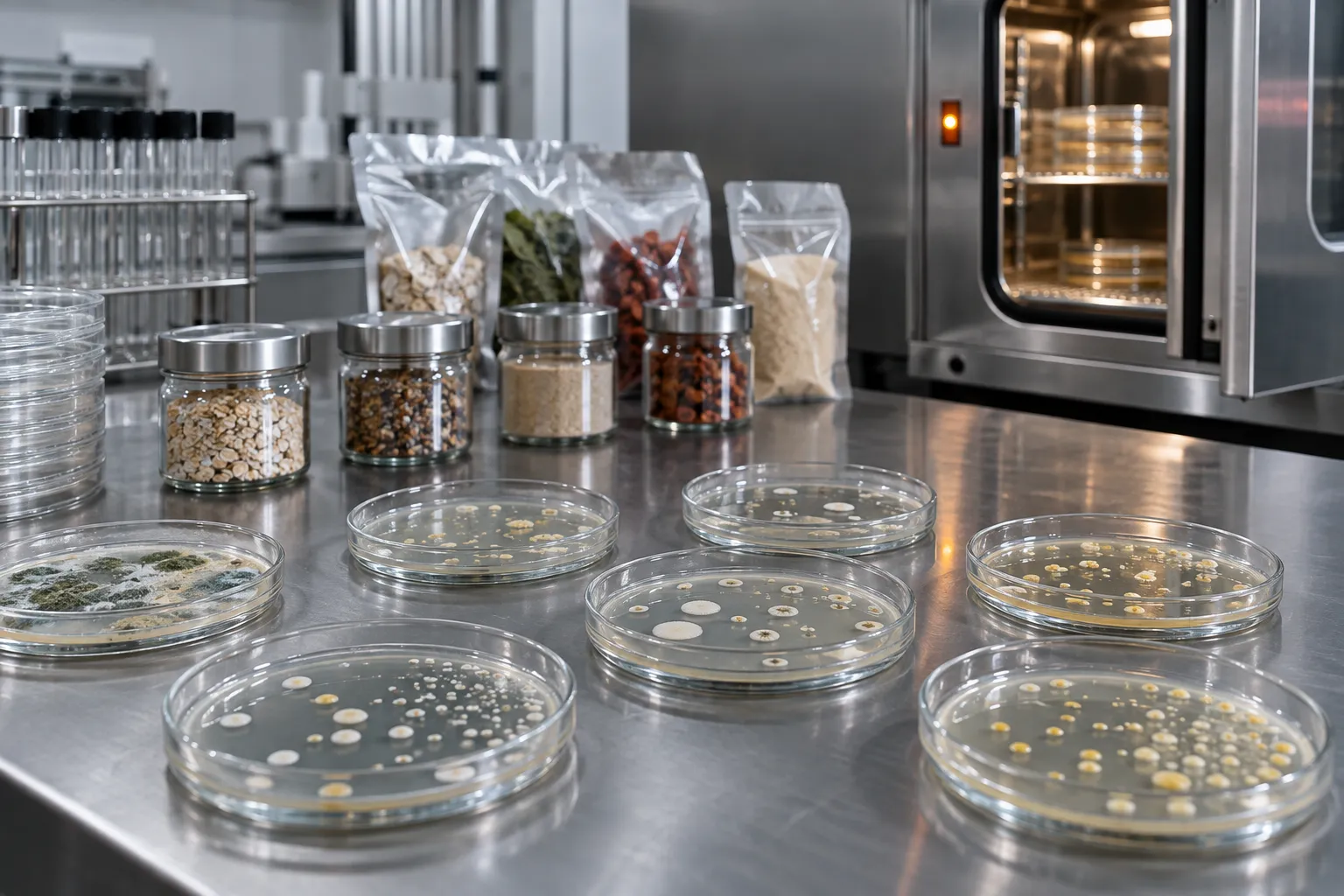
Most testing labs keep years of results in a laboratory information management system (LIMS). Raw instrument files sit in chromatography data systems and on instrument PCs. Methods, calibration logs and corrective actions often live in a quality system or on shared drives.

The most useful records link these pieces. A result is worth more when it connects to the method, the instrument settings, the QC samples run beside it and the analyst's review.

  • Sample login and chain-of-custody records
  • Methods, SOP versions and instrument settings
  • Raw data such as chromatograms, spectra and plate counts
  • QC samples, blanks, spikes and control charts
  • Laboratory test reports and reviewed results, including out-of-spec findings
What can AI teams build with laboratory data?

AI developers want lab data because it carries a verified answer. A qualified analyst reviewed the result, and the method is written down. That makes it strong material for both training and evaluation.

Failed runs and retests matter too. They show a model what goes wrong in a real lab, which clean textbook examples cannot.

  • Models that read chromatograms and spectra
  • Lab-assistant agents that check results against methods and limits
  • Out-of-spec and anomaly detection
  • Evaluation sets that test scientific reasoning against real outcomes

Can a lab license results from client testing?

Often only in part, and only after review. Many lab records come from work done for clients. Client contracts and confidentiality terms decide what the lab may reuse.

Common routes are data from the lab's own method development, results with client names and product details removed, or data a client agrees to include. Many labs are accredited to ISO/IEC 17025, the international standard for testing and calibration labs, and their quality system includes confidentiality commitments. This is not legal advice; your counsel decides what is allowed, and we help you map it.

How do you describe your lab data for a first assessment?

You do not need to send any data. A short description is enough to start: the test types, the years covered, the rough number of results and the systems that hold them.

Say which records are your own and which were done for clients. Note whether raw instrument files were kept or only final reports. The assessment walks you through these points, and we reply within 24 hours.

Example record (illustrative)

One analytical result as it might be exported from a LIMS. Field names and contents are illustrative.
FieldWhat it holds
Sample IDAn internal code, replaced with a new random ID before licensing
MatrixWhat was tested, for example surface water or a polymer resin
MethodThe test method and the SOP version used
InstrumentThe instrument model and key settings, such as column and detector
Raw data fileThe chromatogram or spectrum behind the result
QC statusWhether the blanks, spikes and controls in the batch passed
ResultThe reported value, unit and detection limit
ReviewAnalyst and reviewer sign-off, with any retest or out-of-spec note

Frequently asked questions

What is lab data?

Lab data is everything a laboratory records when it tests a sample: sample details, the method, instrument output, quality-control checks and the reported result. Analytical lab data from chemistry, microbiology and materials testing is the most common kind. For AI, the most useful records keep those pieces linked.

Can laboratory test report data be used for AI?

Yes, but final reports alone carry less than the records behind them. A report states the result. The LIMS entries, raw files and QC checks show how the lab got there, and that is what models learn from.

Does our LIMS need to be cleaned up before we can license data?

No. Many labs start with a plain export from their LIMS. The assessment looks at what the records contain and how consistent they are. Cleaning and de-identification come later, once there is a clear use for the data.

Can we license data from tests we ran for clients?

Sometimes. It depends on your client contracts and confidentiality terms. Client names and identifying details are removed, and some clients must agree first. Data from your own method development is usually simpler.

Do we have to send samples of our data?

Not for the first step. The assessment uses descriptions only. Samples are shared later, under a confidentiality agreement, and only if a licence looks realistic.

Who pays for the assessment?

There is no fee to the data owner. Compensation comes from the licence, when an AI company licenses the data.

Trust & compliance

Data licensing without losing control.

Your data stays yours until you decide otherwise. We assess before anything is shared, and we treat rights and privacy as conditions of a transaction — not afterthoughts.

No raw data for an initial evaluation

Nothing moves without authorization

Ownership is not the same as licensing rights

Specialist review where it is needed

Scoped records, never bulk exports

How we handle rights, privacy and confidentiality

Own valuable data?

Check your data's licensing potential.

A confidential, no-raw-data assessment of your company's records — from lab results and production logs to cases, claims and transactions.

Building AI?

You specify it. We source it.

Tell us the proprietary data your model needs — domain, structure, formats and rights. We approach the organizations that produce it.