Skip to content
DataNexx

Data category

Construction Materials Testing

Concrete, soil and asphalt tests linked to mix designs, field conditions and measured strength.

Construction materials testing data links a mix design and field conditions to the strength a sample actually reached. AI developers license these results to train models that predict strength and durability. DataNexx helps testing labs and producers find out which records can be licensed, and arranges the licence. There is no fee to the data owner.

Why it matters for AI

Recorded, judged, resolved.

Materials testing labs have recorded mix designs and the strength they actually achieved for decades. That pairing of recipe, conditions and measured outcome — including the low breaks and how they were resolved — is exactly the cause-and-effect data models learn from.

Typical data

  • Concrete compressive strength
  • Mix designs
  • Soil compaction & classification
  • Asphalt testing
  • Aggregate testing
  • Field inspection records
  • Non-conformance reports

Representative workflow

Illustrative

  1. 01Mix design
  2. 02Field placement conditions
  3. 03Sampling & curing
  4. 04Break test
  5. 05Low-strength result
  6. 06Engineer review
  7. 07Accepted or remediated

Who typically holds it

  • Accredited construction materials testing laboratories
  • Geotechnical engineering firms
  • Ready-mix and precast producers
  • Inspection and quality-assurance firms

Potential AI applications

  • Strength and durability prediction
  • Mix-design optimization
  • Engineering copilots
  • Physical reasoning models

What construction materials testing data do labs hold, and where does it live?

Testing labs record cylinder breaks, soil and asphalt results in a LIMS or in dedicated materials testing software. Field technicians log placement conditions on tablets or paper forms. Mix designs often sit with the ready-mix or precast producer.

The most useful records join these pieces. A break result is worth more when it links to the mix, the curing conditions and what the engineer decided.

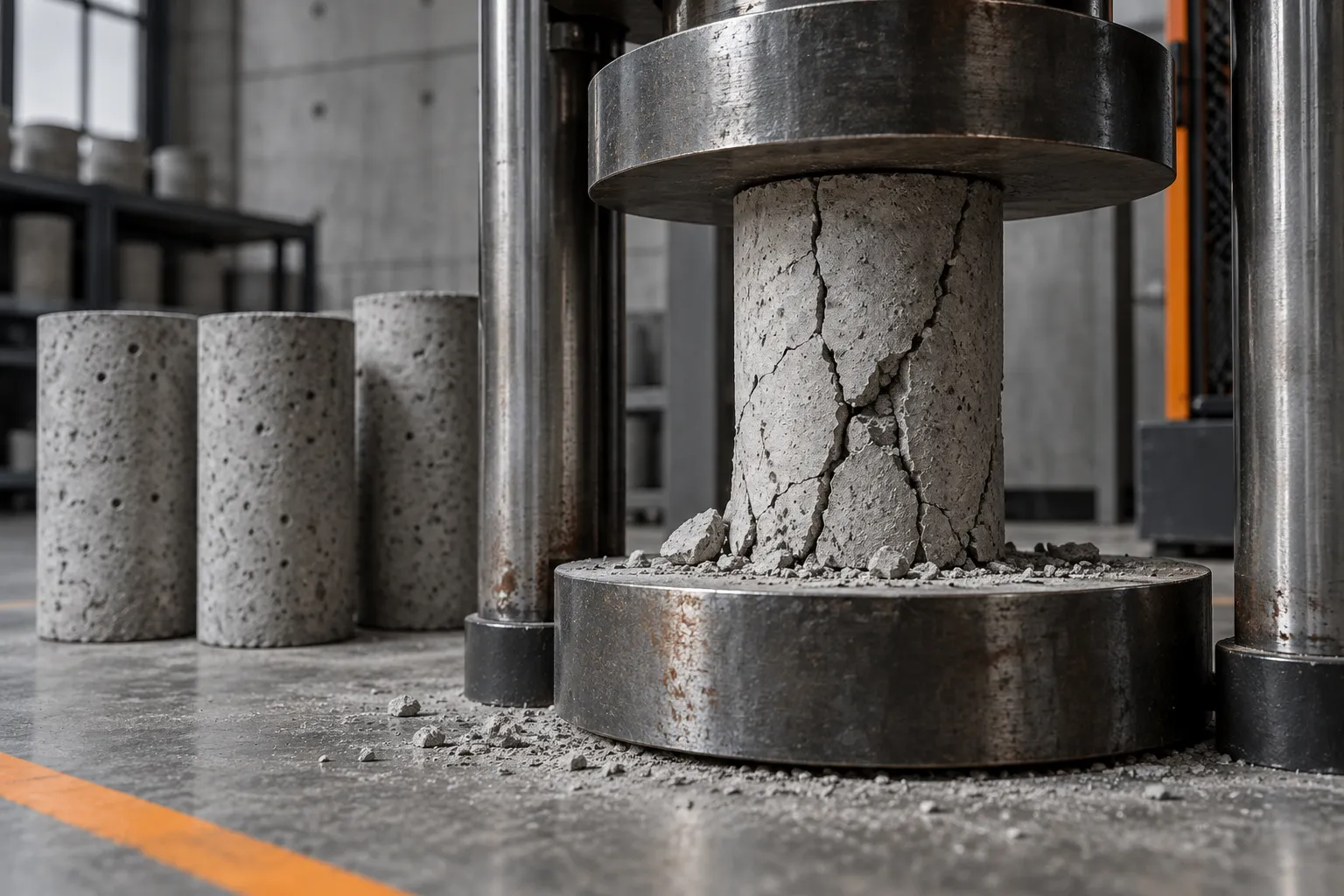
  • Concrete compressive strength at 7, 28 and later days
  • Mix designs, materials and admixtures
  • Field data: slump, air content, temperature and weather
  • Soil compaction, classification and asphalt tests
  • Non-conformance reports and how they were resolved
What can AI teams build with construction materials data?

Strength models need recipes and measured outcomes from real sites. Lab results provide both, over many years and many mixes.

Low breaks matter most. They show what went wrong in the field, and the engineer's review shows how it was fixed.

  • Early strength and durability prediction
  • Mix-design optimisation for cost and performance
  • Engineering copilots that review test reports
  • Physical reasoning benchmarks with verified results

Can a testing lab license results from client projects?

Often in part. Results usually belong to work done for project owners and contractors. Contracts decide what the lab may reuse, and some clients must agree first.

Project names, addresses and contractor details are removed before licensing. Producers' own mix-development data is usually simpler to license. This is not legal advice; your counsel decides what is allowed.

How do you describe your testing data for a first assessment?

You do not need to send any data. Start with a short description: the test types, the years covered, the rough number of results and the software that holds them.

Say whether break results link to mix designs and field records. Note which data is your own and which came from client projects. The assessment walks you through it, and we reply within 24 hours.

If you also hold soil or asphalt records, list them too. A lab that covers several materials can often offer a broader dataset.

Example record (illustrative)

One concrete test set as a materials lab might export it. Field names and contents are illustrative.
FieldWhat it holds
Sample set IDAn internal code, replaced with a new random ID before licensing
Mix designTarget strength, cement content, water-cement ratio and admixtures
Placement conditionsAir and concrete temperature, slump and air content
CuringHow and where the cylinders were cured
Break resultsStrength at each test age, in MPa or psi
SpecificationThe strength the project required
Engineer reviewAccepted, retested or remediated, with a short note

Frequently asked questions

What is construction materials testing data?

It is the set of lab and field results that show how concrete, soil, asphalt and aggregate performed. For AI, the key is linking each result to the mix design and the conditions on site.

Is old data on paper or in legacy software useful?

It can be. Long histories show how mixes behave across seasons and sites. The assessment looks at how much is digital and how consistent it is before any work is done.

Can we license results from public projects?

Sometimes. Public contracts can have their own terms on data use. Your counsel checks them, and project details are removed before licensing.

Do we have to send samples of our data?

Not for the first step. The assessment uses descriptions only. Samples are shared later, under a confidentiality agreement, and only if a licence looks realistic.

Who pays for the assessment?

There is no fee to the data owner. Compensation comes from the licence, when an AI company licenses the data.

Trust & compliance

Data licensing without losing control.

Your data stays yours until you decide otherwise. We assess before anything is shared, and we treat rights and privacy as conditions of a transaction — not afterthoughts.

No raw data for an initial evaluation

Nothing moves without authorization

Ownership is not the same as licensing rights

Specialist review where it is needed

Scoped records, never bulk exports

How we handle rights, privacy and confidentiality

Own valuable data?

Check your data's licensing potential.

A confidential, no-raw-data assessment of your company's records — from lab results and production logs to cases, claims and transactions.

Building AI?

You specify it. We source it.

Tell us the proprietary data your model needs — domain, structure, formats and rights. We approach the organizations that produce it.