Skip to content
DataNexx

Data category

Pharmaceutical Manufacturing & QC Data

Batch records, QC release testing, stability studies and deviation investigations from regulated production.

Pharmaceutical datasets from manufacturers and QC labs record how real batches were made, tested, investigated and released. AI developers license this pharmaceutical data to build models that predict batch quality and support deviation investigations. DataNexx helps drug makers, CDMOs and contract labs find out what can be licensed, and arranges the licence. There is no fee to the data owner.

Why it matters for AI

Recorded, judged, resolved.

Regulated production documents every batch, test and deviation because it has to. Years of release decisions, out-of-specification investigations and corrective actions show how real processes drift and recover — knowledge that stays inside quality systems and never reaches public data.

Typical data

  • QC release testing
  • Chromatograms & spectra
  • Stability studies
  • Raw-material testing
  • Batch & lot records
  • OOS / OOT investigations
  • Deviations & CAPA
  • Cleanroom monitoring
  • Calibration & validation
  • Failed formulations

Representative workflow

Illustrative

  1. 01Raw-material lot
  2. 02Batch manufacture
  3. 03In-process controls
  4. 04QC release testing
  5. 05Deviation or OOS result
  6. 06Investigation & CAPA
  7. 07Released or rejected batch

Who typically holds it

  • Pharmaceutical and generic manufacturers
  • Contract development and manufacturing organizations
  • Contract QC and stability-testing laboratories
  • Active-ingredient and excipient producers

Potential AI applications

  • Batch-quality and release prediction
  • Deviation and root-cause assistants
  • Stability and shelf-life modelling
  • Chromatography interpretation models

What pharmaceutical data do manufacturers and QC labs hold?

Regulated production records nearly everything. Batch records live in the MES or on paper. Test results sit in the LIMS, with raw chromatograms in a chromatography data system. Deviations and CAPA are tracked in the QMS.

Because GxP rules require it, these records are usually complete, dated and reviewed. That makes them some of the best-documented operational data in any sector.

  • Batch and lot records with process parameters
  • QC release testing, chromatograms and spectra
  • Stability studies over months or years
  • OOS and OOT investigations, deviations and CAPA
  • Cleanroom monitoring, calibration and validation records
What makes pharma datasets AI-ready?

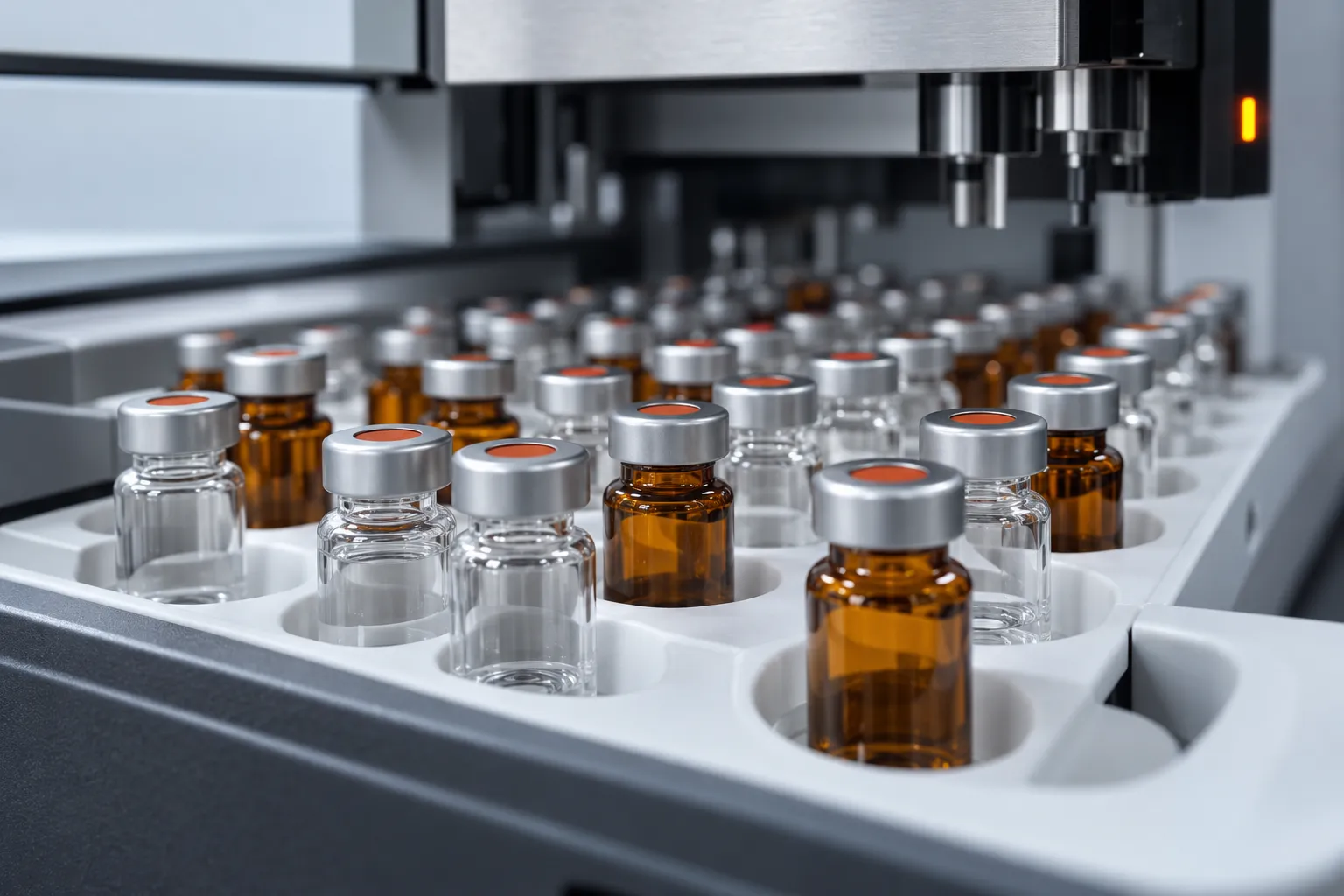
AI teams look for records that link causes to results. A deviation is useful when it connects to the batch, the test that caught it, the root cause and the fix. Failed formulations and rejected batches are often the most valuable parts.

Common uses include batch-quality prediction, deviation and root-cause assistants, stability and shelf-life models, and chromatography interpretation. Pharma R&D datasets, such as development batches and formulation trials, support the same kinds of models.

Is this the same as real-world data?

No. The FDA describes real-world data as data about patient health or the delivery of care, such as health records, claims and registries. Manufacturing and QC records are about the product, not the patient.

Patient-level data is covered on our healthcare page and needs de-identification. Production data raises different questions: trade secrets, client ownership at CDMOs, and data integrity under rules such as 21 CFR Part 11. Licensing a copy for AI does not change the validated original. Your quality and legal teams decide what can be shared.

How do you describe pharmaceutical data for a first assessment?

No data is needed to start. Describe the products or dosage forms, the years covered, the record types and the systems that hold them.

If you are a CDMO or contract lab, note which records belong to clients. Product names and formulas can be masked. We reply within 24 hours.

Example record (illustrative)

One QC release record linked to a deviation. Field names and contents are illustrative.
FieldWhat it holds
Batch IDA masked batch code, with the product name replaced by a category
Dosage formFor example tablet, sterile injectable or oral liquid
Process parametersKey settings such as granulation time or drying temperature
Release testsAssay, impurities and dissolution, with limits
Raw dataThe chromatogram behind the assay result
DeviationWhat went out of limits, and when it was found
Root cause and CAPAThe investigation finding and the corrective action
DispositionReleased, reworked or rejected, with QA sign-off

Frequently asked questions

What are pharmaceutical datasets?

Pharmaceutical datasets are structured records from drug development and production, such as batch records, QC tests, stability studies and deviation investigations. On this page we mean data held by manufacturers and labs, not patient records.

Where can AI teams get pharma datasets?

Most useful pharma data is private and sits inside quality systems. We are not a marketplace. AI teams describe what they need on our Request a Dataset page, and we look for manufacturers or labs willing to license it.

Does licensing GxP records affect our compliance?

A licensed dataset is a copy prepared for a stated use. Your validated records stay where they are. Your QA and legal teams review what is shared before anything leaves your systems.

Can a CDMO license data from client batches?

Only where client contracts allow it, or with client approval. Data from the CDMO's own development work is often simpler to license.

Is there a cost to the manufacturer?

There is no fee to the data owner. Compensation comes from the licence.

Trust & compliance

Data licensing without losing control.

Your data stays yours until you decide otherwise. We assess before anything is shared, and we treat rights and privacy as conditions of a transaction — not afterthoughts.

No raw data for an initial evaluation

Nothing moves without authorization

Ownership is not the same as licensing rights

Specialist review where it is needed

Scoped records, never bulk exports

How we handle rights, privacy and confidentiality

Own valuable data?

Check your data's licensing potential.

A confidential, no-raw-data assessment of your company's records — from lab results and production logs to cases, claims and transactions.

Building AI?

You specify it. We source it.

Tell us the proprietary data your model needs — domain, structure, formats and rights. We approach the organizations that produce it.