Skip to content
DataNexx

Data category

Manufacturing & Production

Process parameters, machine settings and batch outcomes linked to what actually came off the line.

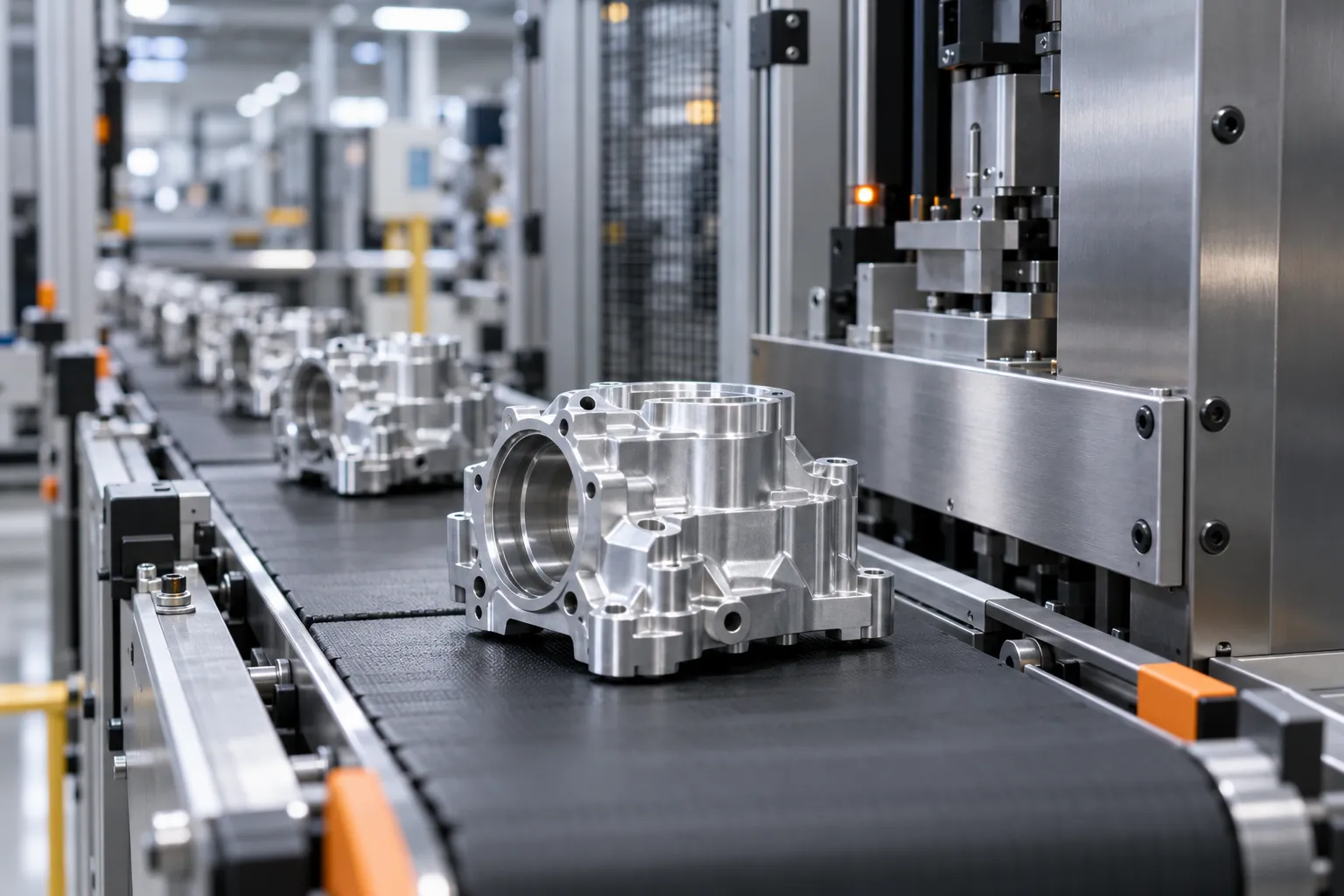
Manufacturing data is the record of how a product was made: the materials, the machine settings, the process readings and what came off the line. AI developers license this data to train models that learn cause and effect on real production lines. DataNexx helps manufacturers find out which records can be licensed, and arranges the licence. There is no fee to the data owner.

Why it matters for AI

Recorded, judged, resolved.

Production data connects settings to consequences. When parameters, inspections and corrective actions are linked by batch, a model can learn cause and effect on a real line instead of a simulated one.

Typical data

  • Production parameters
  • Machine settings
  • Process conditions
  • Batch information
  • Production outcomes
  • Defect records
  • Corrective actions

Representative workflow

Illustrative

  1. 01Raw material
  2. 02Production parameters
  3. 03Machine readings
  4. 04Quality inspection
  5. 05Defect
  6. 06Corrective action
  7. 07Final pass / fail

Who typically holds it

  • Discrete and process manufacturers
  • Electronics manufacturers
  • Food and beverage producers
  • Industrial R&D organizations

Potential AI applications

  • Process optimization models
  • Industrial agents and copilots
  • Yield and defect prediction
  • Simulation calibration

What manufacturing data do plants hold, and where does it live?

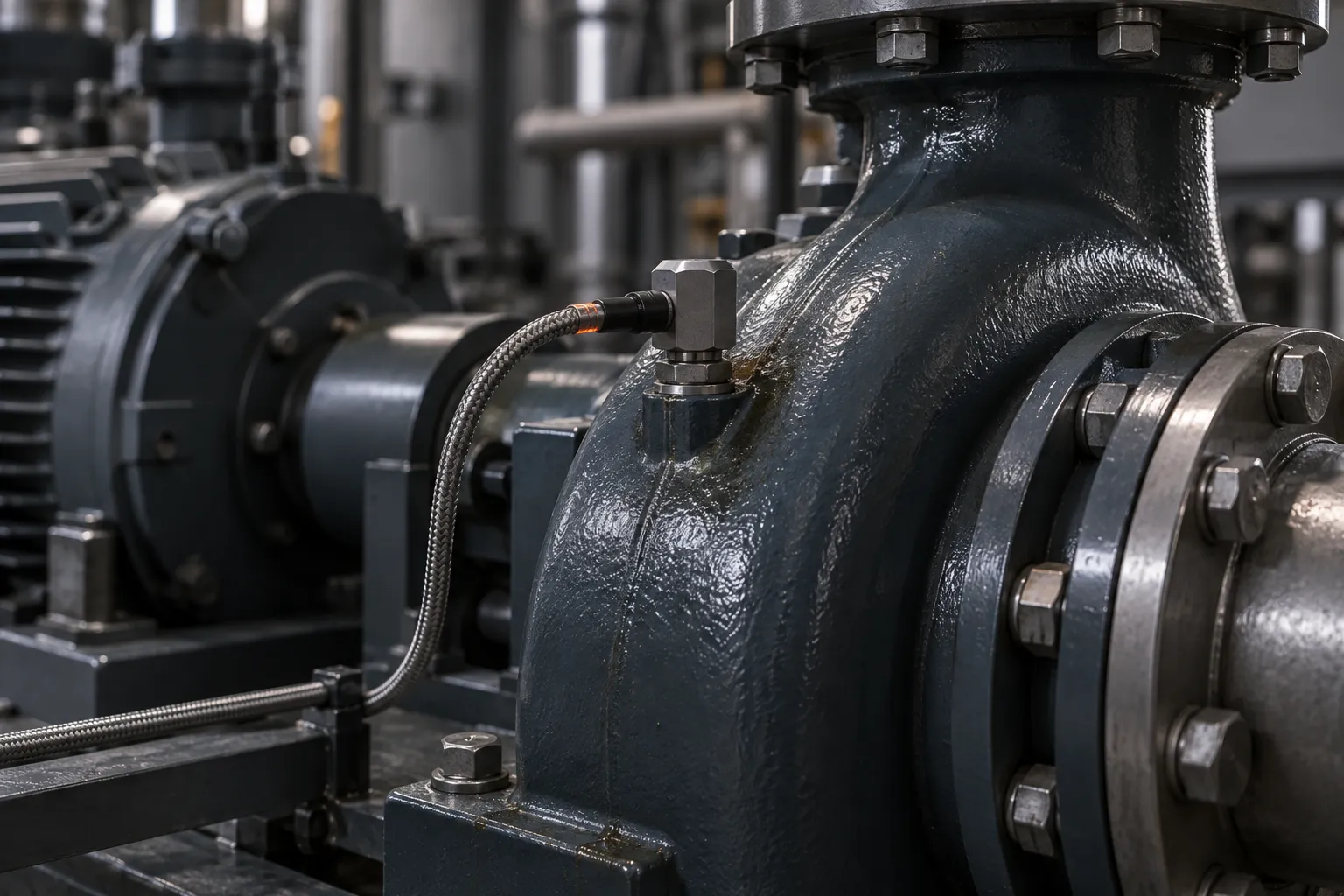
Most plants already record far more than they use. A manufacturing execution system (MES) tracks orders, batches and steps. A historian stores machine and process readings from PLCs and SCADA. Quality results sit in a QMS or SPC software, and material lots are tracked in the ERP.

The most useful records link these systems by batch, lot or serial number. A setting is worth more when you can see the inspection result and the corrective action that followed it.

  • Process parameters and machine settings per batch or shift
  • Historian time series: temperatures, pressures, speeds, torques
  • Material lots, suppliers and incoming inspection results
  • Scrap, rework and defect records with their causes
  • Downtime logs, changeovers and corrective actions
What can AI teams build with a manufacturing dataset?

AI developers want production data because it shows real outcomes. A simulator can guess how a line behaves; a plant's records show what actually happened when a setting changed.

Bad batches matter as much as good ones. Records of scrap, drift and recovery teach a model what failure looks like before it happens.

  • Yield and defect prediction from process settings
  • Process optimization and setpoint recommendation models
  • Industrial copilots and agents that answer questions about a line
  • Calibration data for simulations and digital twins

Can a contract manufacturer license production data?

Sometimes, but customer terms come first. If you build to a customer's drawings, specifications or recipes, your contract or NDA may say who controls the related records. Some customers own the process data outright.

Common routes are data from your own products, process data with customer names, part numbers and drawings removed, or data a customer agrees to include. Trade secrets about your own process are your decision. This is not legal advice; your counsel decides what is allowed, and we help you map it.

How do you describe your manufacturing data for a first assessment?

You do not need to send any data. A short description is enough to start: the processes and products, the years covered, the rough number of batches or parts, and the systems that hold the records.

Say whether readings can be linked to batches and quality results. Note which lines run your own products and which run customer work. The assessment walks you through these points, and we reply within 24 hours.

Example record (illustrative)

One production batch as it might be joined from MES, historian and QMS exports. Field names and contents are illustrative.
FieldWhat it holds
Batch IDAn internal batch or work-order code, replaced with a new random ID before licensing
Line and machineThe line, machine type and tooling used, without the site name
Material lotThe raw-material grade and lot, with supplier names removed
Process settingsSetpoints such as temperature, pressure, speed and cycle time
Process readingsHistorian time series recorded during the run
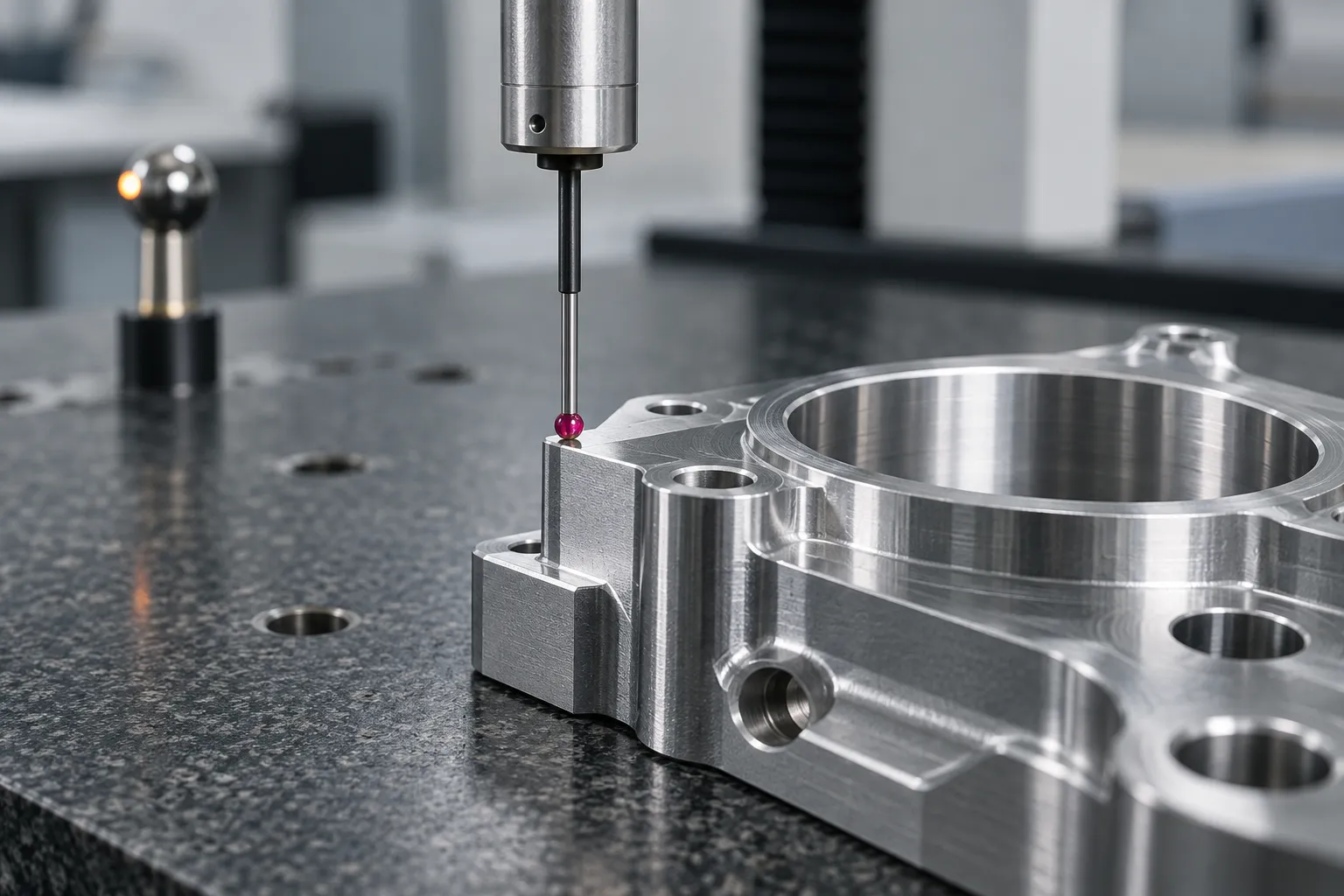
Inspection resultMeasured dimensions or test values against the specification
DefectsDefect type, count and where on the part it was found
Corrective actionWhat was changed afterwards, and whether the next batch passed

Frequently asked questions

What is manufacturing data?

Manufacturing data is everything a plant records while it makes products: process settings, machine readings, material lots, inspections, defects and fixes. For AI, the most useful manufacturing data keeps those pieces linked by batch or part.

Where can AI teams find manufacturing datasets?

Public manufacturing datasets are few, and many are small or simulated. DataNexx is not a marketplace of ready-made files. We find manufacturers whose records fit a request and arrange a licence, usually for batch records, process readings and quality results like the example above. AI teams can describe what they need on our Request a Dataset page.

Can we license data from products we make for customers?

Sometimes. It depends on your contracts and NDAs. Customer names, part numbers and drawings are removed, and some customers must agree first. Data from your own products is usually simpler.

Will licensing expose our process know-how?

Only if you choose to include it. You decide which processes, lines and fields are in scope. Data is shared under confidentiality terms, and identifying details can be removed or grouped before anything leaves your systems.

Who pays for the assessment?

There is no fee to the data owner. Compensation comes from the licence, when an AI company licenses the data.

Trust & compliance

Data licensing without losing control.

Your data stays yours until you decide otherwise. We assess before anything is shared, and we treat rights and privacy as conditions of a transaction — not afterthoughts.

No raw data for an initial evaluation

Nothing moves without authorization

Ownership is not the same as licensing rights

Specialist review where it is needed

Scoped records, never bulk exports

How we handle rights, privacy and confidentiality

Own valuable data?

Check your data's licensing potential.

A confidential, no-raw-data assessment of your company's records — from lab results and production logs to cases, claims and transactions.

Building AI?

You specify it. We source it.

Tell us the proprietary data your model needs — domain, structure, formats and rights. We approach the organizations that produce it.