Skip to content
DataNexx

Data category

Packaging & Product Testing

Drop, compression and environmental conditioning tests with recorded damage and redesigns.

Packaging test data is the record of how a package or product was built, how it was tested and what damage the test caused. AI developers license this data to train models that predict how designs perform in transit and storage. DataNexx helps packaging makers, test labs and consumer product companies find out which records can be licensed, and arranges the licence. There is no fee to the data owner.

Why it matters for AI

Recorded, judged, resolved.

Product testing documents iteration: a design was tested, damaged, changed and tested again. That loop of failure and correction is valuable training signal for models that reason about physical design.

Typical data

  • Drop testing
  • Compression
  • Temperature
  • Humidity
  • Material performance
  • Damage classifications

Representative workflow

Illustrative

  1. 01Package design
  2. 02Material
  3. 03Humidity / temperature
  4. 04Compression / drop test
  5. 05Damage
  6. 06Redesign
  7. 07Verified performance

Who typically holds it

  • Packaging manufacturers
  • Packaging and transit test labs
  • Consumer product companies
  • Product testing organizations

Potential AI applications

  • Design-for-performance models
  • Damage classification (vision)
  • Physical reasoning benchmarks
  • Engineering copilots

What packaging data do test labs and manufacturers hold, and where does it live?

Packaging and transit test labs keep results in a LIMS, in test-machine software or in report files. Designs and material specifications live in CAD files and product records. Climate-chamber logs, drop-tester readings and photos of damage are often stored with each test report.

The most useful records follow a design through several rounds. A failed drop test is worth more when it links to the design, the material, the damage photos and the redesign that passed.

  • Package design, dimensions and board or film grade
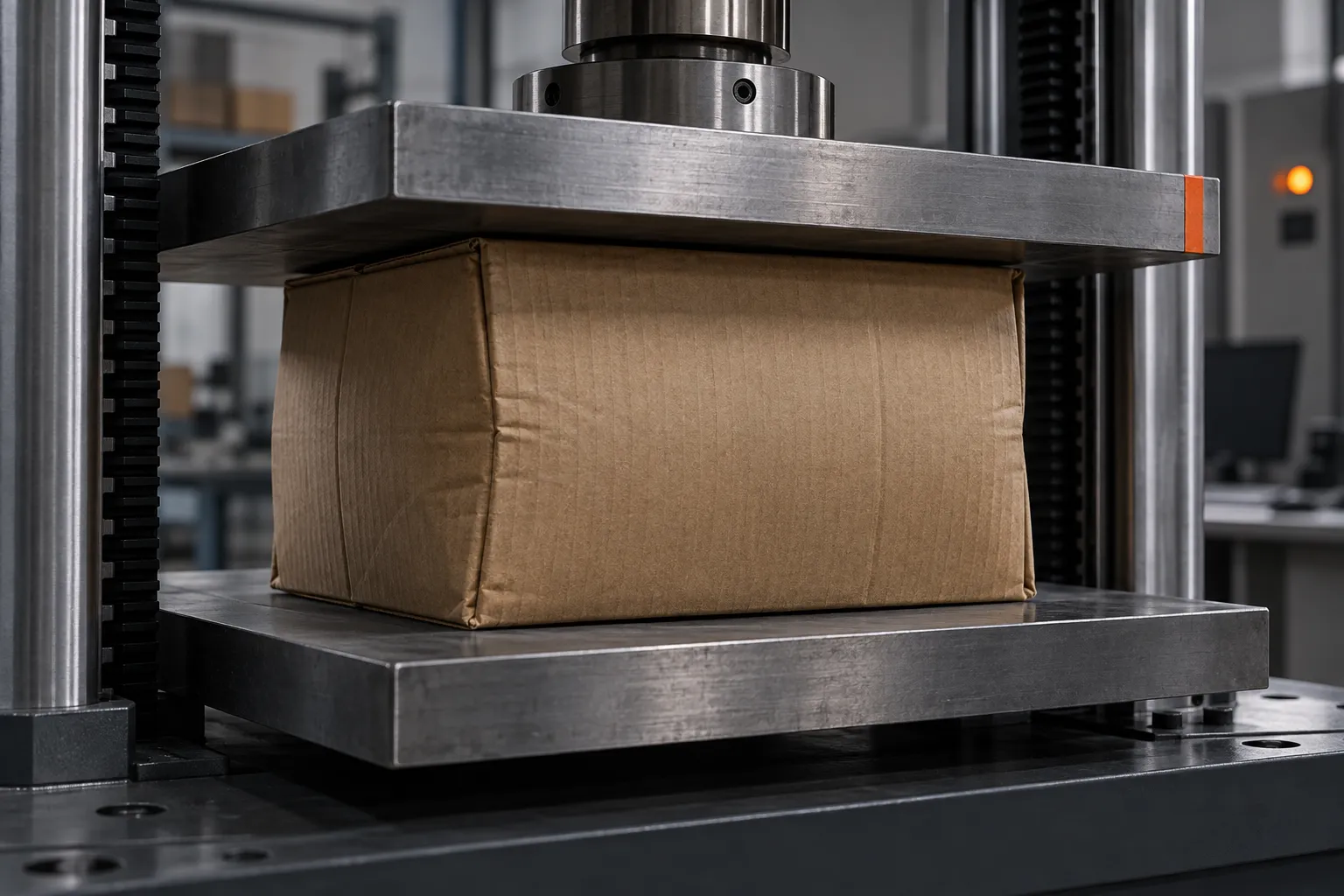
  • Drop, vibration and compression test results
  • Temperature and humidity conditioning logs
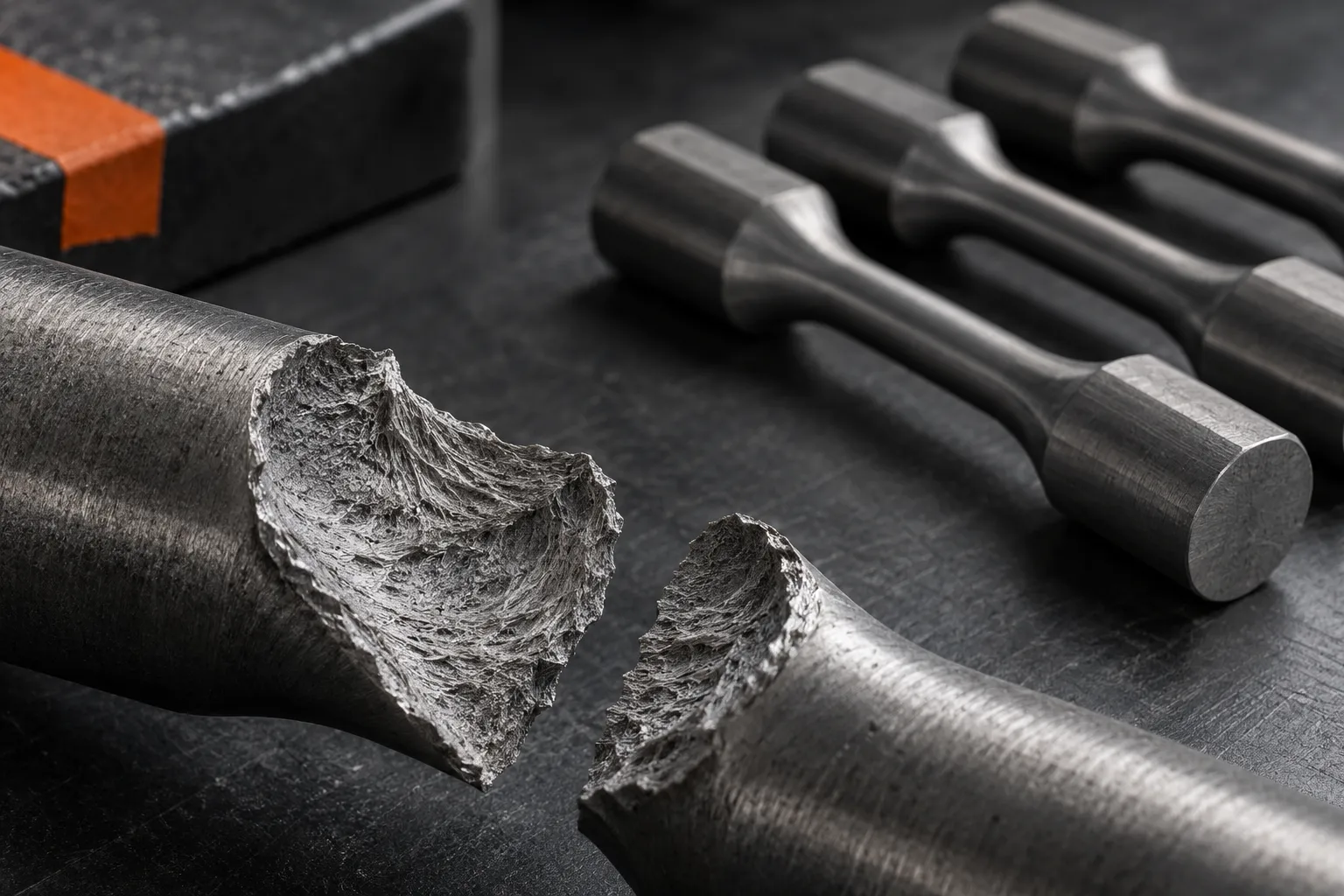
  • Damage photos and damage classifications
  • Redesigns and the re-test results that followed
What can AI teams build with packaging test data?

AI developers want product test data because it records real physical results. A package was dropped, crushed or conditioned, and someone measured and photographed what happened. That makes it strong material for models that reason about physical design.

Failed tests matter most. They show the loop of failure, change and re-test that engineers go through.

  • Design models that predict test performance before a prototype exists
  • Computer vision models that classify package and product damage
  • Material selection and lightweighting assistants
  • Physical reasoning benchmarks built on measured outcomes

Can a packaging lab license tests on client product designs?

Often only in part, and only after review. Many tests are done on a client's unreleased products or packaging. Client contracts and NDAs usually cover the designs, the brand and the results.

Common routes are data from your own packaging lines, results with brands, logos and product details removed, or data a client agrees to include. Photos may need logos and labels blurred. This is not legal advice; your counsel decides what is allowed, and we help you map it.

How do you describe your packaging data for a first assessment?

You do not need to send any data. A short description is enough to start: the test types, the package and product kinds, the years covered, the rough number of tests and where the reports are stored.

Say whether you kept damage photos and redesign history. Note which tests were done for clients. The assessment walks you through these points, and we reply within 24 hours.

Example record (illustrative)

One transit test as it might be pulled from a test report and its photos. Field names and contents are illustrative.
FieldWhat it holds
Test IDAn internal code, replaced with a new random ID before licensing
Package designPack type, dimensions and design revision, without brand names
MaterialsBoard grade, film, cushioning and closures used
ContentsA generic product type and weight, with product names removed
ConditioningTemperature, humidity and time before the test
Test sequenceThe drops, vibration or compression steps applied, with heights or loads
DamageDamage type and location, with photos and a classification
OutcomePass or fail, and the redesign made before the next test

Frequently asked questions

What is packaging test data?

Packaging test data records how packages and products perform in drop, vibration, compression and climate tests. It includes the design, the conditions, the damage found and the result. For AI, the most useful records also show the redesign.

Are damage photos useful for AI?

Yes, especially when each photo carries a damage label and the test it came from. Labeled photos can train computer vision models that grade damage. The assessment asks how your photos are stored and labeled.

Can we license tests run on client products?

Sometimes. It depends on your client contracts and NDAs. Brands, logos and product details are removed, and some clients must agree first. Tests on your own packaging are usually simpler.

Do we have to send samples of our data?

Not for the first step. The assessment uses descriptions only. Samples are shared later, under a confidentiality agreement, and only if a licence looks realistic.

Who pays for the assessment?

There is no fee to the data owner. Compensation comes from the licence, when an AI company licenses the data.

Trust & compliance

Data licensing without losing control.

Your data stays yours until you decide otherwise. We assess before anything is shared, and we treat rights and privacy as conditions of a transaction — not afterthoughts.

No raw data for an initial evaluation

Nothing moves without authorization

Ownership is not the same as licensing rights

Specialist review where it is needed

Scoped records, never bulk exports

How we handle rights, privacy and confidentiality

Own valuable data?

Check your data's licensing potential.

A confidential, no-raw-data assessment of your company's records — from lab results and production logs to cases, claims and transactions.

Building AI?

You specify it. We source it.

Tell us the proprietary data your model needs — domain, structure, formats and rights. We approach the organizations that produce it.